



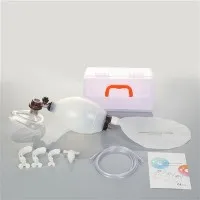


Tracheostomy is a surgical procedure that creates an opening in the neck to access the trachea, often necessitating the insertion of a tracheostomy tube. While this intervention can be life - saving for many patients, the elderly population faces unique challenges and issues when using tracheostomy tubes. As a tracheostomy tube supplier, I have witnessed firsthand these specific problems and understand the importance of addressing them to improve the quality of life for elderly patients.
Physiological Changes in the Elderly
The aging process brings about a series of physiological changes that can complicate the use of tracheostomy tubes. One of the most significant changes is the decline in the elasticity of the tracheal tissue. In younger individuals, the trachea is more flexible and can adapt better to the presence of a tracheostomy tube. However, in the elderly, the tracheal cartilage becomes calcified, and the mucosal lining becomes thinner and more fragile. This makes the trachea more prone to damage from the pressure exerted by the tracheostomy tube.
For example, the cuff of the tracheostomy tube, which is designed to create a seal to prevent aspiration and ensure proper ventilation, can cause pressure ulcers on the tracheal wall. In elderly patients, these ulcers may heal more slowly due to reduced blood circulation and a weakened immune system. This can lead to infections, such as tracheitis or pneumonia, which are more severe and difficult to treat in the elderly.
Another physiological change is the reduced cough reflex. Coughing is an essential mechanism for clearing secretions from the trachea and preventing airway obstruction. As people age, the muscles involved in the cough reflex weaken, and the sensitivity of the airway receptors decreases. This means that elderly patients with tracheostomy tubes are more likely to accumulate secretions in the airway, increasing the risk of blockages and respiratory distress.
Cognitive and Mobility Challenges
Many elderly patients have cognitive impairments, such as dementia or Alzheimer's disease. These conditions can make it difficult for them to understand the purpose of the tracheostomy tube and follow the necessary care instructions. They may try to remove the tube themselves, which can lead to life - threatening situations such as airway collapse or bleeding.
In addition, elderly patients often have limited mobility. This can make it challenging for them to change positions regularly, which is important for preventing pressure sores around the tracheostomy site and for facilitating the drainage of secretions. Immobility also increases the risk of deep vein thrombosis and pulmonary embolism, which are additional complications that can affect the overall health of the patient.
Communication Difficulties
Tracheostomy tubes significantly impact a patient's ability to communicate. Normally, air passes through the vocal cords to produce sound. When a tracheostomy tube is in place, a large portion of the air bypasses the vocal cords, making it difficult to speak. For elderly patients, who may already have some degree of hearing loss or speech impairment, this can be extremely frustrating.
The inability to communicate effectively can lead to feelings of isolation and depression. It also makes it difficult for patients to express their needs, such as pain or discomfort, which can delay the appropriate medical intervention. As a tracheostomy tube supplier, we understand the importance of providing solutions to help elderly patients communicate. For instance, there are speaking valves available that can be attached to the tracheostomy tube, allowing air to pass through the vocal cords and enabling the patient to speak.
Nutritional and Hydration Issues
Eating and drinking can be challenging for elderly patients with tracheostomy tubes. The presence of the tube in the trachea can interfere with the normal swallowing process, increasing the risk of aspiration. Aspiration occurs when food or liquid enters the airway instead of the esophagus, which can lead to pneumonia.
To prevent aspiration, patients may need to be on a special diet or have their feeding method adjusted. For example, some patients may require a nasogastric tube or a gastrostomy tube for enteral feeding. However, these alternative feeding methods also have their own set of complications, such as tube blockage, infection, and discomfort.
In addition, elderly patients are more prone to dehydration, and the tracheostomy tube can further exacerbate this problem. The tube can cause increased evaporation of moisture from the airway, leading to dryness of the tracheal mucosa and thickening of secretions. Adequate hydration is essential to keep the secretions thin and easy to remove, but ensuring that elderly patients consume enough fluids can be a challenge, especially if they have cognitive or mobility issues.
Skin Care around the Tracheostomy Site
The skin around the tracheostomy site requires special attention. The elderly have thinner skin that is more prone to breakdown. The constant presence of the tracheostomy tube and the moisture from secretions can cause irritation, redness, and even skin infections.
Proper skin care involves cleaning the area regularly with mild soap and water, drying it thoroughly, and applying a protective barrier cream. However, elderly patients may have difficulty performing these tasks themselves, especially if they have limited dexterity. Caregivers need to be trained to provide appropriate skin care to prevent complications.
Our Solutions as a Tracheostomy Tube Supplier
At our company, we are committed to providing high - quality tracheostomy tubes that are designed to address the specific needs of elderly patients. We offer a range of products, including the Tracheostomy Tube Holder, which helps to keep the tracheostomy tube in place securely without causing excessive pressure on the skin. This reduces the risk of pressure ulcers and skin irritation.
Our Cuff Tracheostomy Tube is designed with a low - pressure, high - volume cuff that minimizes the risk of tracheal damage. The cuff is made of a soft, biocompatible material that is gentle on the tracheal mucosa, reducing the likelihood of pressure ulcers and infections.
We also provide Reinforced Tracheostomy Tube options, which are more resistant to kinking. This is particularly important for elderly patients who may have limited mobility and are at a higher risk of accidentally kinking the tube, which could lead to airway obstruction.
Conclusion
The elderly population faces numerous specific issues when using tracheostomy tubes, ranging from physiological changes to cognitive and communication challenges. As a tracheostomy tube supplier, we recognize the importance of providing products and solutions that can alleviate these problems and improve the quality of life for elderly patients.


If you are a healthcare provider, caregiver, or involved in any aspect of tracheostomy care for the elderly, we invite you to contact us for more information about our products. Our team of experts is ready to assist you in selecting the most appropriate tracheostomy tubes and accessories for your patients' needs. We look forward to the opportunity to engage in procurement discussions and help you provide the best possible care for elderly tracheostomy patients.
References
- American Thoracic Society. (2019). Clinical practice guidelines: Tracheostomy in adult patients in the intensive care unit. American Journal of Respiratory and Critical Care Medicine.
- National Institute on Aging. (2020). Age - related changes in the respiratory system.
- Rumbak, M. J., et al. (2018). Tracheostomy in the critically ill patient: A review. Critical Care Medicine.