


CPAP Mask
What Is CPAP Mask
CPAP masks are devices designed to attach to a sleeper’s face during CPAP therapy. Though their look and feel can vary widely depending on style and brand, they’re generally made from silicone, gel, foam, or another type of flexible material. Masks fit over or under the nose, mouth, or both. They’re most often clear, and manufacturers generally make them as low-profile as possible to ensure that they stay securely attached during sleep. The best CPAP masks are both comfortable and functional. Each mask contains multiple components and attachments as part of its design. There are mechanisms to deliver the pressurized air, to attach the mask to the head, to create structure, and to keep the user as comfortable as possible. Each of these individual pieces has its own materials and lifespan to consider.
Advantages of CPAP Mask
Improved sleep quality:By reducing breathing interruptions and ensuring proper oxygenation, CPAP masks help improve sleep quality, leading to better rest and increased daytime alertness.
Decreased snoring:CPAP therapy can reduce or eliminate snoring, benefiting both the individual using the mask and their sleep partner.
Support for different sleep positions:Some CPAP mask designs accommodate different sleep positions, allowing individuals to sleep comfortably while receiving continuous positive airway pressure.
Multiple choices:CPAP masks come in various styles and sizes to suit individual preferences and comfort levels, ensuring a personalized fit for optimal therapy.


Our factory
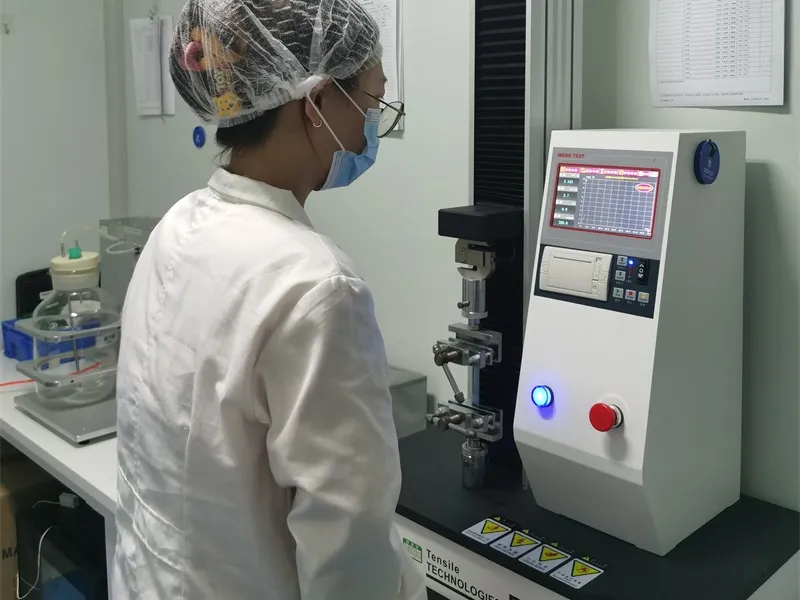
HangZhou Trifanz Medical Device Co., Ltd is located in the vibrant bio-industrial park of LinPing, Hangzhou. The park enjoys a beautiful environment and convenient transportation. We have own the production site: 1000 square 100,000 GMP clean workshops.
Our certificate
Passed the CE, ISO13485 system certification; can provide OEM / ODM services.
Experienced team
It has its own R&D team. A group of professional and technical personnel with nearly 20 years of experience in the industry.
Our products
Endotracheal tube, laryngeal mask airway, closed suction catheter,anesthesia breathing circuit and so on.
Components of CPAP Mask
Mask headgear
Headgear keeps the mask securely attached to the user’ s head. Magnetic clips and velcro are popular fasteners that allow for quick and easy detachment. You should replace your mask’ s headgear or chinstrap about every six months or if you find you have to tighten it more than usual to get a suitable seal.
Mask frame
The frame keeps all the other mask components attached and in place. The headgear and cushion connect to the frame, which is typically made from a pliable material that’s easy to wash. It’ s important to keep the frame clean and to replace it every three months or sooner if you notice wear and tear.
Mask cushion
Your mask’ s cushion is what seals around or beneath your mouth or nose. Cushions are usually made from flexible materials like silicone, gel, or foam. They attach to the mask’ s frame and should rest comfortably against your face. Cleaning and replacing your mask cushion regularly helps prevent buildup from bacteria and mildew. Check with the manufacturer for a suggested replacement schedule or plan to purchase a new cushion every three months.
Mask hosing
Pressurized air travels from your CPAP device, through your mask’ s hosing, and to the cushion. This hosing is designed to flex and move with you as you sleep. If you notice that your hose is becoming opaque or developing tiny tears, you should purchase a replacement.
Types of CPAP Mask
Nasal pillow CPAP mask
Most people are only able to sleep on their stomach if they use a nasal pillow mask. CPAP nasal pillows have a low-profile design that fits between the user’ s nose and upper lip. The pillow extends the full width of your nose and seals against your nostrils to provide a leak-proof fit. The hose connects to the pillow, and the entire unit is fairly small and unobtrusive. Because this style of mask sits beneath the user’ s nose, most people find that it’ s easy to watch TV or read while wearing their mask. Nasal pillows have the most streamlined design and are often the easiest for users to tolerate. People who shift sleeping positions often or those who think full-face masks are uncomfortable may have better luck with a nasal pillow. People with facial hair typically find that nasal pillows seal against their faces more effectively than other mask styles.
Nasal CPAP mask
Nasal CPAP masks cover either the entire nose or just the bottom half. This mask sits against the bridge of your nose like a pair of glasses and extends downward to your nostrils. The mask seals around your nose and pushes pressurized air into your nostrils. This style mask has more volume than a nasal pillow but less than a full-face mask. Depending on where it attaches to the headgear, you may be able to see over top of your nasal mask to read or watch TV. Back sleepers will likely find nasal masks an excellent choice. Side sleepers can also successfully use nasal masks, though they should ensure that their pillow doesn’ t cause the mask to shift. Nasal masks are also a suitable option for those who find full-face masks uncomfortable and those with facial hair.
Full-face CPAP mask
CPAP users who sleep on their back can easily use full-face masks without difficulty. Full-face CPAP masks fit over your nose and mouth and seal against the bottom half of your face. This type of mask takes up the most surface area of all the mask types, and it’ s typically within your field of vision. Unlike nasal masks and pillows, full-face masks can deliver air into your mouth, making this style the best option for people who breathe primarily through their mouths. People who need high-pressure settings should consider using a full-face mask, as it’ s better than the other two styles at staying securely attached with increased pressure. Those who breathe through their mouths may also find full-face masks beneficial.
Nasal prong CPAP masks
This type of mask is similar to a nasal pillow, but instead of sealing your nostrils, it uses nasal prongs, or cannulas, to deliver pressurized air. The mask sits underneath your nose, and prongs extend into your nostrils. These seal against your nostrils by inflating and creating air pressure. This mask style is an excellent option for very active sleepers, as well as people with facial hair. Its very low profile makes it a good fit for those with claustrophobia, and its minimally invasive design may be easier to adhere to for some sleepers. However, people who need high-pressure PAP therapy should consider a different mask style.
Oral CPAP masks
People who breathe through their mouth need a mask that seals over the mouth in order to get effective and consistent air pressure. Oral CPAP masks fit around just the mouth and are an alternative option for people who want a mask with less volume than a full-face mask. This kind of mask doesn’ t require headgear that fits across your forehead, making it a bit more comfortable for some sleepers than full-face masks. People who have allergies or frequent nasal congestion may find an oral CPAP mask the best choice.
Hybrid CPAP masks
As the name implies, a hybrid CPAP mask uses two methods for delivering air. It seals under your nose as well as over your mouth, transporting air to both breathing passages. People who alternate between nose and mouth breathing may find this type of mask to be the best fit. Hybrid masks are a bit smaller than traditional full-face masks and may be easier for users to tolerate. However, they’ re not suitable for users with facial hair, and they may cause discomfort for people with congestion.
Total face CPAP masks
A total face CPAP mask covers your entire face, from above your eyes to below your mouth. This style mask is not necessary for most sleepers, but it can be very effective at preventing leaks for certain people. Even pressure is distributed into the mask, which can be more comfortable for people who are sensitive to high pressure. This kind of mask has four points of contact with your headgear, and the whole surface area seals against your face. This can help prevent sore spots from developing, since the seal is distributed across more surface area.
How Do You Clean a CPAP Mask?
CPAP users should clean their mask regularly in order to keep it hygienic and in good condition. Some manufacturers recommend cleaning your CPAP mask at least once a week, while others suggest daily cleaning. Individual masks usually have cleaning instructions included in their manual, but almost all masks can be cleaned in a similar way.
Disconnect the CPAP mask from the hose and separate the components. Fill a basin or sink with warm potable water and a mild soap that does not include moisturizers, harsh detergents, or strong fragrances. Gently wash each mask component until it is free of dirt, oil, and skin care product residue. Rinse each component with warm water. Lay each component flat on a clean towel to dry, turning the components at least once to ensure they dry fully. CPAP users should avoid placing their equipment, including their mask, in direct sunlight. Sunlight can damage mask components and cause them to degrade more quickly.

Accessories for CPAP Masks
Mask liners
Most CPAP masks and cushions are made from silicone, which can be irritating when placed directly on the skin. Mask liners are fabric barriers made from material that’ s designed to feel softer than silicone. They’ re often washable and engineered to keep your mask clean and hygienic.
Chinstraps
CPAP chinstraps are designed for use with a nasal pillow or mask. People who use nasal options must keep their mouth closed in order to get effective CPAP therapy. Chinstraps wrap around or behind the head to keep the mouth closed. They’ re made from many different materials that are each designed to feel comfortable against your skin.
CPAP pillows
There are different types and shapes of CPAP pillows, but they all have the same goal to support your head and neck without interfering with your CPAP mask. They accomplish this with unique designs that feature cutouts or curves that accommodate your mask. Side and stomach sleepers can benefit from using a CPAP pillow.
While different types of CPAP masks offer different features that may make them more or less appealing to others, they all have several things in common. Areas on each mask that come into contact with the face are usually cushioned with medical-grade latex-free materials to improve the seal it makes with the face as well as to reduce chances of skin irritation. However, people with sensitive skin may have trouble adjusting to some CPAP mask materials, such as gel, silicone, foam, plastic, or cloth.
Any mask that doesn’ t fit risks leaking pressurized air, which works against the purpose of the therapy. Leaking air reduces the effectiveness of the pressure and can also result in dry or irritated eyes and excess noise during sleep for the bed partner. All of them come with headgear that helps to keep it in place. You can also add support accessories like a chin support to the nasal CPAP mask or the nasal pillows to help keep the mouth from opening as you sleep. The tubing included with the delivery system is expected to fit snugly into the mask. All masks have areas that allow for the release of exhaled carbon dioxide and some masks include ports for those patients who may also need to initiate supplemental oxygen as they sleep.
Most come with replaceable parts, especially the cushions. Any mask can be overtightened by the user, which means they could wake up with marks on their face. A mask-fitting with a sleep technologist is essential prior to using any type of CPAP mask. Cleaning and safe storage is required by all mask users in order to ensure they last a long time and are not damaged by pets or children.
HangZhou Trifanz Medical Device Co., Ltd is located in the vibrant bio-industrial park of LinPing, Hangzhou. The park enjoys a beautiful environment and convenient transportation. It is adjacent to Shanghai, Ningbo and other important ports. The company is an integrated science and technology innovation enterprise, mainly engaged in the research, development, production and sales of medical catheters in the fields of respiration, anesthesia, and severe diseases. It has its own R&D team: a group of professional and technical personnel with nearly 20 years of experience in the industry; own The production site: 1000 square 100,000 GMP clean workshops; among the company's employees, more than 80% of college and university staff account for the company's production and operation activities in strict accordance with national and international requirements to run the quality management system cloud operation, passed the CE, ISO13485 system certification; can provide OEM / ODM services.



Certificate


video
FAQ
We're professional cpap mask manufacturers and suppliers in China, specialized in providing high quality custom service. We warmly welcome you to wholesale cheap cpap mask from our factory.