


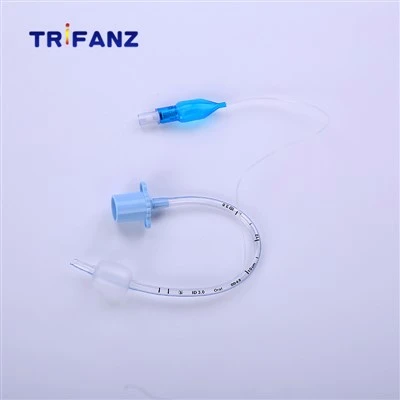
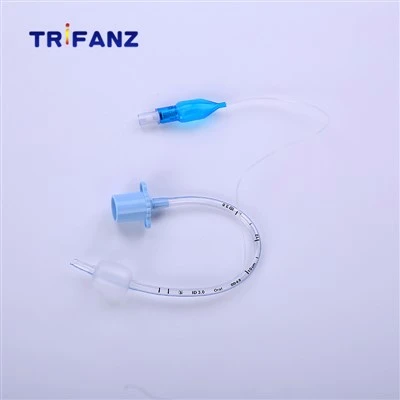
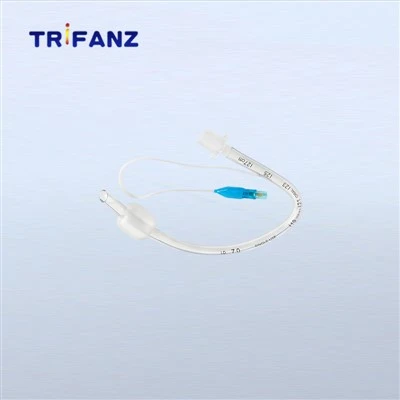
Oral Endotracheal Tube
Your Professional Oral Endotracheal Tube Supplier
HangZhou Trifanz Medical Device Co., Ltd is located in the vibrant bio-industrial park of LinPing, Hangzhou. The company is an integrated science and technology innovation enterprise, mainly engaged in the research, development, production and sales of medical catheters in the fields of respiration, anesthesia, and severe diseases.
Our popular product portfolio primarily encompasses endotracheal tubes, laryngeal mask airways, and closed suction catheters, among others.


Why Choose us
Well-Experienced:The company has an in-house R&D team composed of a group of professional and technical personnel with nearly two decades of cumulative experience in the industry.
Quality Management:All production and operational activities are strictly conducted in compliance with the requirements of national and international quality management systems. The company has obtained CE and ISO 13485 certifications.
OEM/ODM Service:The company is capable of providing OEM and ODM services.
Parameter
|
ID.SIZE |
REF NO. |
ID.SIZE |
REF NO. |
ID.SIZE |
REF NO. |
|
2.0# |
98.04.146 |
5.0# |
98.04.162 |
8.0# |
98.04.186 |
|
2.5# |
98.04.148 |
5.5# |
98.04.166 |
8.5# |
98.04.190 |
|
3.0# |
98.04.150 |
6.0# |
98.04.170 |
9.0# |
98.04.194 |
|
3.5# |
98.04.152 |
6.5# |
98.04.174 |
9.5# |
98.04.196 |
|
4.0# |
98.04.154 |
7.0# |
98.04.178 |
10.0# |
98.04.198 |
|
4.5# |
98.04.158 |
7.5# |
98.04.182 |
- |
- |
Benefits of Oral Endotracheal Tube
Anatomic Conformity:
The Oral RAE endotracheal tube is designed with a gentle, anatomically shaped curve that aims to conform to the natural shape of the trachea. This design may facilitate easier and more accurate placement of the tube, reducing the risk of trauma to the airway during intubation.
Reduced Risk of Complications:
The preformed curvature of the oral endotracheal tube may help minimize the likelihood of complications such as damage to the vocal cords, tracheal mucosa, or surrounding structures during intubation. This can be particularly advantageous in patients with difficult airways or those at higher risk of complications.
Easier Insertion:
The pre-shaped curve of the oral endotracheal tube may contribute to smoother and easier insertion, potentially reducing the time and effort required for successful intubation. This can be beneficial in emergency situations or when rapid airway control is essential.
Improved Visualization:
The design of the oral endotracheal tube may enhance visualization during intubation, allowing healthcare providers to better navigate the airway anatomy. This improved visibility can be especially valuable in challenging intubation scenarios.
Flexibility in Use:
While the oral endotracheal tube is commonly used in oral intubation, it can also be utilized for nasal intubation if needed. This flexibility provides healthcare providers with options depending on the patient's condition and clinical requirements.
Ventilation Efficiency:
Once properly placed, the Oral RAE endotracheal tube allows for effective mechanical ventilation. The secure positioning and appropriate sizing contribute to optimal ventilation, ensuring adequate oxygenation and ventilation support.
Patient Comfort:
The anatomically shaped curvature of the oral endotracheal tube may enhance patient comfort by minimizing irritation and trauma to the airway structures. This can be especially relevant during prolonged intubation or in patients with sensitive airways.
1. Preparation and Assessment
Before initiating endotracheal intubation, thorough preparation is key. This involves:
Ensure a proper environment for the procedure with adequate lighting.
2. Positioning
Proper patient positioning significantly influences the success of endotracheal intubation. Placing the patient in the "sniffing position" involves extending the neck and aligning the oral, pharyngeal, and tracheal axes for improved visualization. It's crucial to ensure the patient's mouth is open wide, removing any visible obstructions.
3. Preoxygenation
Administering high-flow oxygen via a Bag-Valve-Mask (BVM) is a critical component of the preoxygenation phase. This step helps maximize the patient's oxygen reserves, reducing the risk of hypoxia during the brief ventilation interruption that occurs during intubation.
4. Laryngoscope Insertion
Proper laryngoscope insertion is fundamental for obtaining a clear view of the airway anatomy.
Hold the laryngoscope in the left hand (right-handed providers) and insert it into the patient's mouth, avoiding dental trauma.
5. Vocal Cord Visualization
Identifying the vocal cords and epiglottis is crucial for successful intubation. Lifting the epiglottis with the laryngoscope blade exposes the glottic opening, providing a clear visual of the structures. This step ensures accurate endotracheal tube placement through the vocal cords, optimizing the procedure's success.


6. Endotracheal Tube Insertion
With the vocal cords visible, the provider carefully inserts the endotracheal tube through the cords. Using a style to maintain the tube's shape and assist in airway navigation enhances precision. Proper insertion ensures that the tube reaches the trachea, securing a patent airway.
7. Cuff Inflation and Securement
After successfully placing the tube in the trachea, inflating the cuff with the appropriate air volume is essential to establish a proper seal. Securing the tube at the patient's lips and maintaining the correct depth prevent dislodgement and ensure effective ventilation.
8. Confirmation of Tube Placement
Confirming the correct placement of the endotracheal tube is paramount to avoid complications. Employing multiple methods, including auscultation, observation of chest rise, and end-tidal CO2 monitoring, enhance the provider's confidence in accurate tube positioning.
9. Securing the Tube
Stabilizing the endotracheal tube in place using tape or commercial securing devices is the final step in the procedure. Confirming that the securing mechanism is not too tight is crucial, allowing for adequate ventilation while preventing accidental extubation.
10. Post-Intubation Care
After successful intubation, continuous monitoring of the patient's vital signs and oxygenation is crucial. Securing the endotracheal tube in place and ensuring it remains correctly positioned are essential components of post-intubation care. This phase involves ongoing vigilance and adjustment to provide optimal respiratory support..
Additional Information
|
Terms Of Payment |
We usually accept T/T, L/C, Paypal, Credit card, etc. If you prefer other payments terms, please feel free to discuss with us. |
|
Shipping |
We offer various shipping methods, including sea freight, air freight, and express delivery, depending on the order size and destination. |
Certificate


FAQ
We're professional oral endotracheal tube manufacturers and suppliers in China, specialized in providing high quality custom service. We warmly welcome you to wholesale cheap oral endotracheal tube from our factory.
Anesthesia Circuits Duo limb circuit, Subglottic Suction Endotracheal Tube, Coaxial Anesthesia Circuit