


Nasal Cannula
What Is Nasal Cannula
A nasal cannula is a device that gives you additional oxygen (supplemental oxygen or oxygen therapy) through your nose. It’s a thin, flexible tube that goes around your head and into your nose. There are two prongs that go inside your nostrils that deliver the oxygen. The tube is attached to an oxygen source like a tank or container. There are high-flow nasal cannulas (HFNC) and low-flow nasal cannulas (LFNC). The difference between them is in the amount and type of oxygen they deliver per minute. You may need to use a nasal cannula in the hospital or in another healthcare setting temporarily, or you may use a nasal cannula at home or for long-term use. It depends on your condition and why you need oxygen therapy.
Advantages of Nasal Cannula
Comfort:Nasal cannulas are lightweight and comfortable to wear, allowing patients to move freely and perform daily activities while receiving oxygen therapy.
Ease of use:Nasal cannulas are easy to apply and adjust, making them user-friendly for both patients and healthcare providers.
Compatibility:Nasal cannulas can be easily connected to various oxygen sources, including oxygen tanks, concentrators, and cylinders, for efficient oxygen delivery.
Cost-effective:Nasal cannulas are cost-effective compared to other oxygen delivery methods, making them a practical choice for patients requiring supplemental oxygen.


Our factory
HangZhou Trifanz Medical Device Co., Ltd is located in the vibrant bio-industrial park of LinPing, Hangzhou. The park enjoys a beautiful environment and convenient transportation. We have own the production site: 1000 square 100,000 GMP clean workshops.
Our certificate
Passed the CE, ISO13485 system certification; can provide OEM / ODM services.
Experienced team
It has its own R&D team. A group of professional and technical personnel with nearly 20 years of experience in the industry.
Our products
Endotracheal tube, laryngeal mask airway, closed suction catheter,anesthesia breathing circuit and so on.
Why Are Nasal Cannulas so Popular?
The average adult consumes around 7 or 8 liters of room air every minute while resting. Room air is usually made up of about 20% oxygen. If a person needs a little more air or oxygen, a nasal cannula might be used to deliver supplemental oxygen at higher percentages of up to 95%. Nasal Cannulas for Oxygen, most tubing can deliver up to 5 liters of oxygen per minute, which is the maximum amount of air flow that most people can handle comfortably. Too much supplemental oxygen can lead to dryness and nosebleeds. It’ s also difficult to deliver more than 6 liters of air per minute because the additional airflow tends to "spew over" and only remains as active as producing 5 or 6 liters per minute.
Patients who require oxygen to self-respirate take air through a mask. Cannulas are frequently used with patients who might benefit from oxygen therapy but don’ t have to have oxygen to breathe on their own. Stroke sufferers and other individuals who are impacted by vasoconstriction are examples of people who can benefit from oxygen delivered by nasal cannula. Special cannulas are installed in small, unpressurized aircraft to be used by pilots and passengers to boost oxygen levels during high altitude flights.
Traditionally, a high flow of oxygen can deliver highly accurate oxygen concentrations, but it is uncomfortable and inconvenient for many patients. Recently, humidifiers have started being used in conjunction with cannulas to help alleviate dryness, and wider tubing can be used to carry more than 6 liters of air per minute without drying out the nasal passages and reducing the incidence of nosebleed and asthma in patients. By humidifying respiratory gas, patients can receive high air flow volumes comfortably through a nasal cannula. This also frees up patients to eat, drink and continue other activities without being deprived of oxygen.
When Should a Nasal Cannula Be Used to Deliver Oxygen?
They deliver oxygen in a variable manner; this means the amount of oxygen inspired depends on the patient’s breathing rate and pattern. For this reason they are not suitable for use in the acute phase of illness with patients who need controlled oxygen therapy. This includes patients with acute exacerbations of chronic obstructive pulmonary disease (COPD); these patients retain carbon dioxide and require a Venturi oxygen mask.
In other acute situations patients may need a higher concentration of oxygen and a non-rebreathe mask or simple oxygen mask is often used. Flow rates of 1-4 litres per minute are used with nasal cannulas, equating to a concentration of approximately 24-40% oxygen. Flow rates of up to 6 litres can be given but this will often cause nasal dryness and can be uncomfortable for patients. The advantages of nasal cannulas for patients who have chronic stable respiratory problems is that it is possible to eat, drink and talk while using them; they also reduce the risk of carbon dioxide rebreathing. Dry nasal passages can be a problem initially but with continued use this usually resolves itself.

Applications of Nasal Cannula
Supplemental oxygen
A nasal cannula is generally used wherever small amounts of supplemental oxygen are required, without rigid control of respiration, such as in oxygen therapy. Most cannulae can only provide oxygen at low flow rates—up to 5 litres per minute (L/min)—delivering an oxygen concentration of 28–44%. Rates above 5 L/min can result in discomfort to the patient, drying of the nasal passages, and possibly nose bleeds (epistaxis). Also with flow rates above 6 L/min, the laminar flow becomes turbulent and the oxygen therapy being delivered is only as effective as delivering 5–6 L/min. The nasal cannula is often used in elderly patients or patients who can benefit from oxygen therapy but do not require it to self respirate. These patients do not need oxygen to the degree of wearing a non-rebreather mask. It is especially useful in those patients where vasoconstriction could negatively impact their condition, such as those suffering from strokes. A nasal cannula may also be used by pilots and passengers in small, unpressurized aircraft that do not exceed certain altitudes. The cannula provides extra oxygen to compensate for the lower oxygen content available for breathing at the low ambient air pressures of high altitude, preventing hypoxia. Special aviation cannula systems are manufactured for this purpose. With the introduction of nasal cannula which uses heated humidification for respiratory gas humidification, flows above 6 LPM have become possible without the associated discomfort, and with the added benefit of improving mucociliary clearance.
Nasal high-flow therapy
High flows of an air/oxygen blend can be administered via a nasal cannula to accurately deliver high volume of oxygen therapy. Respiratory gas humidification allows the high flows to be delivered comfortably via the cannula. Nasal high-flow therapy can be used as an effective alternative to face mask oxygen and allows the patient to continue to talk, eat and drink while receiving the therapy. Non-invasive delivery of oxygen air mixture delivered via a nasal cannula at flows that exceed the patient's inspiratory flow demands with gas that has been optimally conditioned by warming and humidifying the gas to close to 100% relative humidity at body temperature.

A nasal cannula is a thin, flexible tube that wraps around your head, typically hooking around your ears. On one end, it has two prongs that sit in your nose and deliver oxygen. The other end of the tube connects to an oxygen supply. There are several different types of oxygen supply delivery systems. The type of oxygen delivery system you use depends on your condition and what your healthcare provider recommends. Your healthcare provider also determines how much oxygen you need. The tubing attaches to an oxygen source and delivers a steady stream of medical-grade oxygen to your nose.
The oxygen concentration used with nasal cannulas is between 1 and 6 liters per minute. Your oxygen equipment. High-flow cannulas are available, but their output is similar to that of a continuous positive airway pressure system (CPAP). Your healthcare provider will calibrate your oxygen supply to the proper level for your needs. Nasal cannulas are less invasive than other oxygen delivery systems, most of which involve a face mask. In contrast, nasal cannulas generally don't prohibit regular eating and talking, and they are pretty portable.
It depends on your condition and the reason you need supplemental oxygen. Some people need it for the rest of their lives, while others need it while recovering from an illness or during a specific situation. For example, if your oxygen levels drop during childbirth, your provider may give you a nasal cannula for oxygen for just a few minutes. Others may depend on oxygen 24 hours a day or only when they sleep.
A nasal cannula can be high-flow or low-flow. A flow rate is a measurement of how much oxygen you’ re getting through the cannula. It’ s usually measured in liters. There’ s a device on your oxygen supply that controls the flow of oxygen. High-flow nasal cannulas deliver warm oxygen. It can deliver up to about 60 liters of oxygen per minute. It delivers warm oxygen because oxygen at this flow rate could dry up your nasal passages quickly and lead to nosebleeds. Low-flow nasal cannulas don’ t deliver warm oxygen. Because of this, they tend to dry out your nasal passages quicker. The flow rate for a low-flow cannula is up to about 6 liters of oxygen per minute. Remember, your healthcare provider recommends how much oxygen you need. It may seem like getting a high-flow cannula would be more efficient and give you more than enough oxygen. But getting too much oxygen has risks. Can you use a nasal cannula at home? Yes, a nasal cannula is a good option for at-home oxygen therapy.
If you’ re using oxygen therapy at home, you must also take care of your equipment. Checking the tubing for blockages or kinks. Changing the long tube that connects to the oxygen supply (usually monthly). Changing your nasal cannula (the two prongs in your nose) at least once a week. You can also use a cotton pad or wipe containing alcohol to disinfect the cannula between uses. Performing general maintenance on the oxygen supply equipment. Your healthcare provider can talk you through this. You may want to consider a backup electrical method (like a generator) if you use an oxygen system that could fail during a power outage. Since oxygen is highly flammable, you should keep your oxygen system away from any open flames in your home, including stoves, candles and cigarettes.
Maintenance of Nasal Cannula
Most manufacturers advise that patients change their nasal cannulas once a week for regular daily use or up to a month for sporadic use. You can prolong the life of your cannula by taking proper care of it and washing it regularly. The biggest danger in not doing so is a buildup of bacteria, which may lead to infection. After each use, clean the cannula with an alcohol wipe. If you use oxygen continuously, take a break to disinfect the cannula at least once or twice a day (or more if you are congested). Getting sick can be very dangerous for people with respiratory conditions like COPD, so you need to be vigilant about this. For a deeper clean, soak the tubing in warm water with a small amount of dish soap and white vinegar, which is a good bacteria killer that won’ t eat away at the tubing material.
Once you have thoroughly washed the cannula, rinse it well in cold water to be sure all the soap and bacteria have been removed. Hang the cannula to dry before using it again. Likewise here, change your cannula any time you have been sick or feel like you may be coming down with something to avoid exposure to bacteria. Be sure to keep extra supplies on hand so you can change the cannula whenever necessary. Make sure you take stock of your supplies and order replacements long before you run out. As always, follow your healthcare provider’ s instructions for how often you should change your nasal cannula and the proper care and maintenance of your equipment.
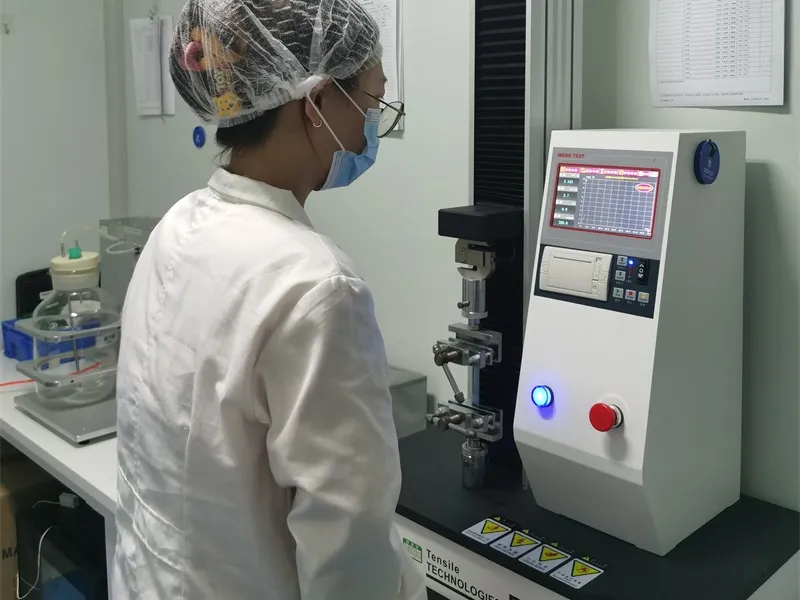
HangZhou Trifanz Medical Device Co., Ltd is located in the vibrant bio-industrial park of LinPing, Hangzhou. The park enjoys a beautiful environment and convenient transportation. It is adjacent to Shanghai, Ningbo and other important ports. The company is an integrated science and technology innovation enterprise, mainly engaged in the research, development, production and sales of medical catheters in the fields of respiration, anesthesia, and severe diseases. It has its own R&D team: a group of professional and technical personnel with nearly 20 years of experience in the industry; own The production site: 1000 square 100,000 GMP clean workshops; among the company's employees, more than 80% of college and university staff account for the company's production and operation activities in strict accordance with national and international requirements to run the quality management system cloud operation, passed the CE, ISO13485 system certification; can provide OEM / ODM services.



Certificate


video
FAQ
We're professional nasal cannula manufacturers and suppliers in China, specialized in providing high quality custom service. We warmly welcome you to wholesale cheap nasal cannula from our factory.
CPPA Nasal Cannula, Nasal Cannula, High Flow Oxygen Tubing