



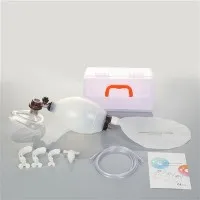


Hey there! As a supplier of ventilator circuits, I've seen firsthand how crucial these devices are in the medical field. Ventilator circuits play a vital role in delivering oxygen and removing carbon dioxide from patients who can't breathe on their own. But using them effectively isn't always a walk in the park. That's why I'm here to share some of the best practices for using a ventilator circuit.
1. Proper Installation
First things first, getting the ventilator circuit installed correctly is super important. You need to make sure all the components fit snugly together. Start by connecting the Corrugated Ventilator Tubing to the ventilator and the patient interface. Check for any kinks or bends in the tubing that could restrict airflow. A kinked tube can mess up the whole ventilation process and even put the patient at risk.


Also, pay attention to the humidifier and filter. The humidifier helps keep the air moist, which is better for the patient's lungs. And the filter is there to trap any particles and prevent them from reaching the patient. Make sure these are installed properly and are in good working condition.
2. Regular Maintenance
Maintenance is key to keeping the ventilator circuit working well. You should clean and disinfect the circuit regularly. This helps prevent the growth of bacteria and other pathogens. Follow the manufacturer's instructions for cleaning. Usually, you'll need to disassemble the circuit and soak the parts in a disinfectant solution. After that, rinse them thoroughly and let them dry completely before reassembling.
Check the tubing for any signs of wear and tear. If you notice any cracks or holes, it's time to replace the tubing. Using a damaged circuit can lead to leaks and affect the ventilation performance. And don't forget to change the filters at the recommended intervals. A clogged filter can reduce airflow and make the ventilator work harder.
3. Monitoring and Adjustment
Once the ventilator circuit is up and running, you need to keep a close eye on it. Monitor the patient's vital signs, such as oxygen saturation and respiratory rate. If you notice any changes, it could be a sign that something's wrong with the circuit or the ventilation settings.
You might need to adjust the settings on the ventilator from time to time. For example, if the patient's oxygen levels are too low, you might need to increase the oxygen flow. But be careful when making adjustments. It's important to follow the doctor's orders and make changes gradually.
4. Patient Comfort
Making sure the patient is comfortable is also an important part of using a ventilator circuit. The patient interface, such as a mask or endotracheal tube, should fit properly. A poorly fitting interface can cause discomfort and even skin irritation. You can use padding or special cushions to make the interface more comfortable.
Also, try to keep the noise level down. Ventilators can be noisy, which can be stressful for the patient. You can use noise-reducing materials or place the ventilator in a quiet area to minimize the noise.
5. Training and Education
Proper training is essential for anyone using a ventilator circuit. Healthcare providers should be trained on how to install, maintain, and troubleshoot the circuit. They should also know how to recognize and respond to any problems that might arise.
In addition to training, it's a good idea to provide patients and their families with education about the ventilator circuit. This can help them understand how the device works and what to expect. It can also give them some peace of mind.
6. Choosing the Right Circuit
Not all ventilator circuits are created equal. When choosing a circuit, you need to consider the patient's needs. For example, if the patient has a small airway, you might need a circuit with a smaller diameter tubing. If the patient needs a high level of humidity, you'll need a circuit with a good humidification system.
At our company, we offer a wide range of Breathing Circuits and Ventilator Tubing to meet different patient requirements. Our products are made from high-quality materials and are designed to provide reliable performance.
7. Infection Control
Infection control is a major concern when using a ventilator circuit. To prevent the spread of infections, you should follow strict infection control protocols. This includes using sterile techniques when handling the circuit, changing the circuit regularly, and disinfecting the equipment between patients.
Also, make sure the patient's environment is clean and well-ventilated. This can help reduce the risk of airborne infections.
8. Troubleshooting
Even with the best practices in place, problems can still occur. That's why it's important to know how to troubleshoot common issues. For example, if the ventilator alarm goes off, you need to know how to identify the problem and take appropriate action.
Some common problems include leaks in the circuit, blockages in the tubing, and malfunctioning sensors. If you're not sure how to fix a problem, don't hesitate to contact the manufacturer or a technical support team.
Contact Us for Your Ventilator Circuit Needs
If you're in the market for high-quality ventilator circuits, look no further. We're a trusted supplier with years of experience in the industry. Our products are designed to meet the highest standards of quality and performance.
Whether you're a hospital, a clinic, or a home care provider, we can help you find the right ventilator circuit for your needs. We offer a wide range of products at competitive prices, and our customer service team is always ready to assist you.
So, if you're interested in learning more about our ventilator circuits or have any questions, don't hesitate to reach out. We'd love to hear from you and discuss how we can meet your requirements.
References
- American Association for Respiratory Care. (2019). Clinical practice guideline for ventilator circuit changes. Respiratory Care, 64(6), 729-734.
- Centers for Disease Control and Prevention. (2020). Guidelines for preventing healthcare-associated pneumonia, 2003.
- Tobin, M. J. (2006). Principles and practice of mechanical ventilation. McGraw-Hill.