




As a supplier of PVC anesthesia masks, ensuring the quality of our products is of utmost importance. In the medical field, the quality of anesthesia masks directly impacts patient safety and the effectiveness of anesthesia procedures. This blog will discuss how to check the quality of a PVC anesthesia mask, providing valuable insights for medical professionals, procurement officers, and anyone interested in the quality control of these essential medical devices.
1. Material Quality
The first step in checking the quality of a PVC anesthesia mask is to examine the material. High - quality PVC used in anesthesia masks should be non - toxic and hypoallergenic. It should comply with relevant medical standards, such as ISO 10993 for biological evaluation of medical devices.
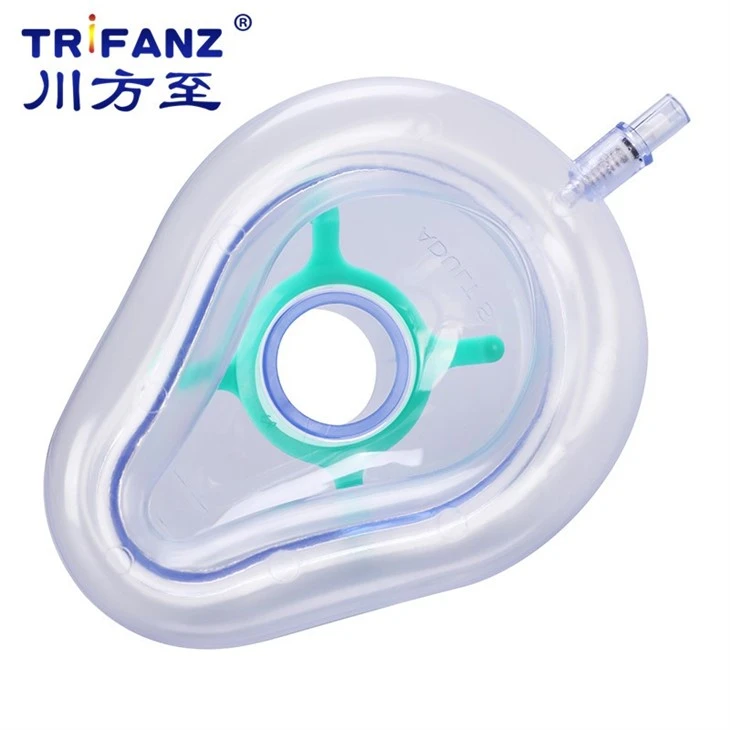
- Visual Inspection: Look at the mask's surface. A high - quality PVC anesthesia mask should have a smooth and uniform surface without any visible defects like cracks, bubbles, or rough edges. Any irregularities on the surface may indicate poor manufacturing processes or low - quality materials.
- Odor Test: PVC materials used in medical devices should not have a strong or unpleasant odor. A strong odor may suggest the presence of harmful chemicals or improper processing. Hold the mask close to your nose and take a gentle sniff. If there is a pungent or strange smell, it may be a sign of sub - standard material.
2. Design and Structure
The design and structure of the anesthesia mask play a crucial role in its functionality.
- Sealing Performance: A good PVC anesthesia mask should provide a tight and comfortable seal around the patient's face. To test the sealing performance, place the mask on a mannequin or a willing volunteer's face. Apply a gentle pressure and check for any air leaks. You can do this by listening for hissing sounds or using a simple smoke test. If there are significant air leaks, the mask may not be able to deliver anesthetic gases effectively, which can compromise the anesthesia process.
- Size and Fit: Anesthesia masks come in different sizes to accommodate various face shapes and sizes. A proper fit is essential for both patient comfort and effective anesthesia delivery. Check if the mask has clear size markings and ensure that the range of sizes offered by the supplier is comprehensive. A well - fitting mask should cover the nose and mouth completely without causing excessive pressure on the face.
- Strap Quality: The straps of the anesthesia mask are responsible for holding the mask in place. They should be made of strong and flexible materials. Pull gently on the straps to test their strength. The straps should not break or stretch excessively. Additionally, the buckle or fastening mechanism should be easy to use and secure.
3. Valve Functionality
Many PVC anesthesia masks are equipped with valves, such as exhalation valves. These valves are critical for proper gas flow and ventilation.
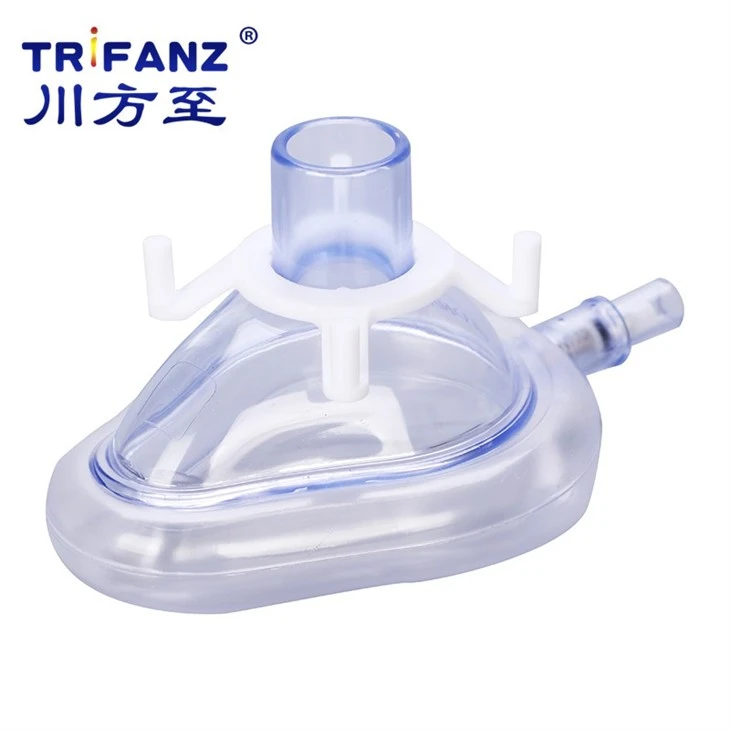
- Exhalation Valve Check: Check the exhalation valve for proper opening and closing. You can do this by blowing gently into the mask. The valve should open easily when you exhale and close tightly when you inhale. If the valve does not function properly, it can lead to re - breathing of exhaled gases, which is dangerous for the patient.
- Valve Integrity: Inspect the valve for any signs of damage or blockage. A damaged valve may not function correctly, and a blocked valve can prevent the proper flow of gases. Look for any debris or foreign objects inside the valve and clean it if necessary.
4. Packaging and Labeling
The packaging and labeling of the PVC anesthesia mask also provide important information about its quality.
- Packaging Integrity: The mask should be packaged in a sealed and clean container. Check the packaging for any signs of damage, such as tears or punctures. A damaged packaging may expose the mask to contaminants, which can compromise its quality.
- Labeling Information: The label on the packaging should contain essential information, including the product name, size, batch number, manufacturing date, expiration date, and usage instructions. Make sure all the information is clear and accurate. The label should also indicate that the mask meets relevant medical standards.
5. Performance Testing
In addition to the above - mentioned checks, performance testing can provide more in - depth information about the quality of the PVC anesthesia mask.
- Flow Rate Testing: Use a flow meter to measure the gas flow rate through the mask. The flow rate should be within the specified range for the particular model of the mask. A low flow rate may indicate a blockage in the mask or a problem with the valve, while a high flow rate may not be suitable for accurate anesthesia delivery.
- Pressure Testing: Apply a specific pressure to the mask and check for any leaks or structural failures. This can be done using a pressure - testing device. The mask should be able to withstand the normal pressure applied during anesthesia procedures without any signs of damage.
Conclusion
Checking the quality of a PVC anesthesia mask is a comprehensive process that involves examining the material, design, valve functionality, packaging, and performance. As a supplier, we are committed to providing high - quality PVC anesthesia masks that meet the strictest medical standards. If you are interested in our Anesthesia Face Mask, Disposable Anesthesia Mask, or Anaesthesia Face Mask, we welcome you to contact us for procurement and further discussions.
References
- ISO 10993 - Biological evaluation of medical devices.
- Standards for anesthesia masks published by relevant medical regulatory authorities.