




Can a nasal cannula be used in patients with emphysema?
Emphysema is a chronic obstructive pulmonary disease (COPD) that causes damage to the air sacs in the lungs, leading to difficulty in breathing. Oxygen therapy is often a crucial part of the treatment plan for patients with emphysema, and nasal cannulas are a common device used to deliver oxygen. As a nasal cannula supplier, I am frequently asked about the suitability of nasal cannulas for patients with emphysema. In this blog, I will explore the use of nasal cannulas in patients with emphysema, discussing their benefits, limitations, and considerations.
Benefits of Using Nasal Cannulas in Emphysema Patients
One of the primary advantages of using a nasal cannula in patients with emphysema is its simplicity and comfort. Nasal cannulas are easy to use and can be worn for extended periods without causing significant discomfort. They are lightweight and unobtrusive, allowing patients to go about their daily activities while receiving oxygen therapy. This is particularly important for patients with emphysema, who may already be experiencing limited mobility and quality of life.
Nasal cannulas also provide a relatively low flow of oxygen, which is often sufficient for patients with mild to moderate emphysema. The low flow rate helps to prevent over-oxygenation, which can be a concern in patients with COPD. By delivering oxygen directly to the nasal passages, nasal cannulas can increase the oxygen concentration in the lungs, improving gas exchange and reducing the workload on the respiratory system.
Another benefit of nasal cannulas is their cost-effectiveness. Compared to other oxygen delivery devices, such as face masks or ventilators, nasal cannulas are relatively inexpensive. This makes them a practical option for patients who require long-term oxygen therapy, especially those on a limited budget.
Limitations of Nasal Cannulas in Emphysema Patients
While nasal cannulas offer several benefits, they also have some limitations when used in patients with emphysema. One of the main limitations is the limited flow rate. Nasal cannulas typically deliver oxygen at a flow rate of 1 to 6 liters per minute, which may not be sufficient for patients with severe emphysema or those who require higher levels of oxygen. In such cases, a higher flow oxygen delivery device, such as a face mask or a high-flow nasal cannula, may be necessary.
Another limitation of nasal cannulas is their inability to provide humidification. Dry oxygen can cause irritation and discomfort in the nasal passages, especially when used for extended periods. To address this issue, a humidifier can be used in conjunction with the nasal cannula to add moisture to the oxygen. However, this adds an additional level of complexity and cost to the oxygen therapy.
Nasal cannulas may also be less effective in patients with nasal congestion or other nasal problems. If the nasal passages are blocked, the oxygen may not be delivered effectively, reducing the benefits of the therapy. In such cases, alternative oxygen delivery methods may need to be considered.
Considerations for Using Nasal Cannulas in Emphysema Patients
When using a nasal cannula in patients with emphysema, several factors need to be considered to ensure its effectiveness and safety. First, the flow rate of the oxygen should be carefully adjusted based on the patient's oxygen requirements. This may require regular monitoring of the patient's oxygen saturation levels using a pulse oximeter.
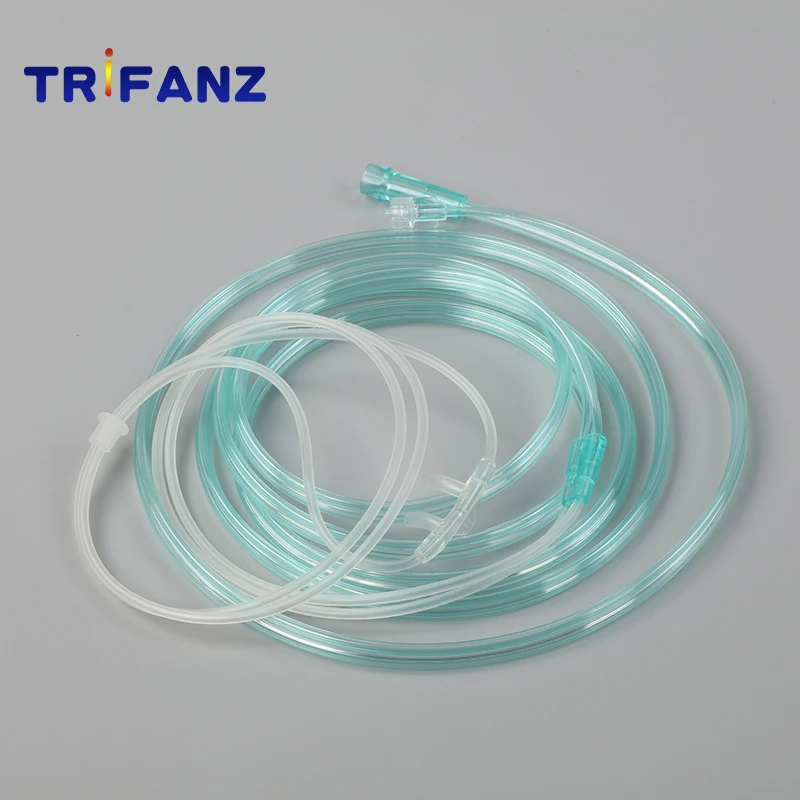

The fit of the nasal cannula is also important. A properly fitting nasal cannula should be comfortable and secure, without causing any pressure or irritation on the nose or face. If the cannula is too loose, oxygen may leak out, reducing its effectiveness. On the other hand, if it is too tight, it can cause discomfort and skin breakdown.
In addition to these considerations, it is important to educate patients on the proper use and care of the nasal cannula. This includes instructions on how to clean and maintain the device, as well as how to recognize and report any problems or complications.
Conclusion
In conclusion, nasal cannulas can be a useful and effective oxygen delivery device for patients with emphysema. They offer several benefits, including simplicity, comfort, and cost-effectiveness. However, they also have some limitations, such as limited flow rate and lack of humidification. When using a nasal cannula in patients with emphysema, it is important to consider the patient's individual needs and circumstances, and to adjust the therapy accordingly.
As a nasal cannula supplier, we are committed to providing high-quality products and services to our customers. If you are interested in learning more about our Nasal Oxygen Cannula or Co2 Nasal Cannula, or if you have any questions or concerns about using nasal cannulas in patients with emphysema, please do not hesitate to contact us. We would be happy to discuss your needs and provide you with the information and support you need.
References
- Global Initiative for Chronic Obstructive Lung Disease (GOLD). Global Strategy for the Diagnosis, Management, and Prevention of COPD. 2023.
- National Heart, Lung, and Blood Institute. What Is Emphysema? 2023.
- American Thoracic Society. Oxygen Therapy in Chronic Obstructive Pulmonary Disease. 2019.