




What is the suction speed of a suction tube?
As a supplier of suction tubes, understanding the suction speed of these essential medical devices is crucial. Suction tubes play a vital role in numerous medical and industrial applications, efficiently removing fluids, debris, and other substances from specific areas. In this blog post, we'll delve into the concept of suction speed, what factors influence it, and why it matters in different scenarios.
Defining Suction Speed
Suction speed refers to the rate at which a suction tube can draw in a fluid or substance. It is typically measured in liters per minute (L/min) or cubic feet per minute (CFM), depending on the region and the specific application. A higher suction speed means that the tube can remove more volume in a shorter period, which is often desirable in critical situations where quick evacuation is necessary.
Factors Affecting Suction Speed
Tube Diameter
The diameter of the suction tube has a significant impact on its suction speed. Generally, a wider tube allows for a greater volume of fluid to pass through it. When the diameter increases, there is less resistance to the flow of the substance being suctioned, enabling a higher suction speed. For example, a larger-diameter Suction Catheter Tube can quickly clear thick secretions in medical settings, while a smaller tube may take longer to achieve the same result.
Length of the Tube
The length of the suction tube also affects suction speed. Longer tubes create more resistance to the flow of the suctioned material. As the fluid travels through a longer tube, it encounters more friction against the tube walls, which slows down the flow rate. Therefore, to maintain an optimal suction speed, it is essential to choose a tube length that is appropriate for the specific application. If you need to reach a deep cavity, you may have to accept a slightly reduced suction speed due to the increased length of the Oropharyngeal Suction Catheter.
Suction Pressure
The amount of suction pressure applied is a key determinant of suction speed. Higher suction pressure can overcome the resistance within the tube and draw in the substance at a faster rate. In medical devices, suction pumps are used to generate the necessary pressure. However, it's important to balance the suction pressure, as excessive pressure can cause damage to delicate tissues, especially in medical applications such as suctioning in the respiratory tract.
Viscosity of the Substance
The viscosity of the fluid or material being suctioned also affects the suction speed. Thicker substances, like mucus or sludge, have higher viscosity and offer more resistance to flow. As a result, suctioning these substances requires a more powerful suction source and may result in a lower suction speed compared to thinner fluids like water. Specialized Suction Cannula designs may be needed to handle high - viscosity substances effectively.
Importance of Suction Speed in Different Applications
Medical Applications
In the medical field, suction tubes are used for a wide range of procedures, including airway management, wound drainage, and surgical suction. In emergency situations, such as clearing a patient's airway of secretions, a high suction speed can be a matter of life and death. A fast - acting suction tube can quickly remove blockages, ensuring the patient can breathe properly. In surgical settings, efficient suctioning helps maintain a clear field of view for the surgeon, reducing the risk of complications.
Industrial Applications
In industrial settings, suction tubes are used for tasks such as cleaning up spills, removing debris from machinery, and collecting waste materials. A high suction speed can improve the efficiency of these operations, reducing downtime and increasing productivity. For example, in a manufacturing plant, a suction tube with a high suction speed can quickly clean up metal shavings or coolant fluids, keeping the work area safe and clean.
Measuring and Optimizing Suction Speed
To measure the suction speed of a suction tube, specialized equipment can be used. Flow meters can accurately measure the volume of fluid passing through the tube per unit of time. By regularly testing the suction speed, you can ensure that the tube is performing optimally.
To optimize the suction speed, it's important to choose the right tube for the job. Consider the factors mentioned above, such as tube diameter, length, and the viscosity of the substance to be suctioned. Additionally, maintaining the suction equipment, including the pump and the tube, is essential. Regular cleaning and inspection can prevent blockages and ensure that the suction system is working at its best.
Our Suction Tube Offerings
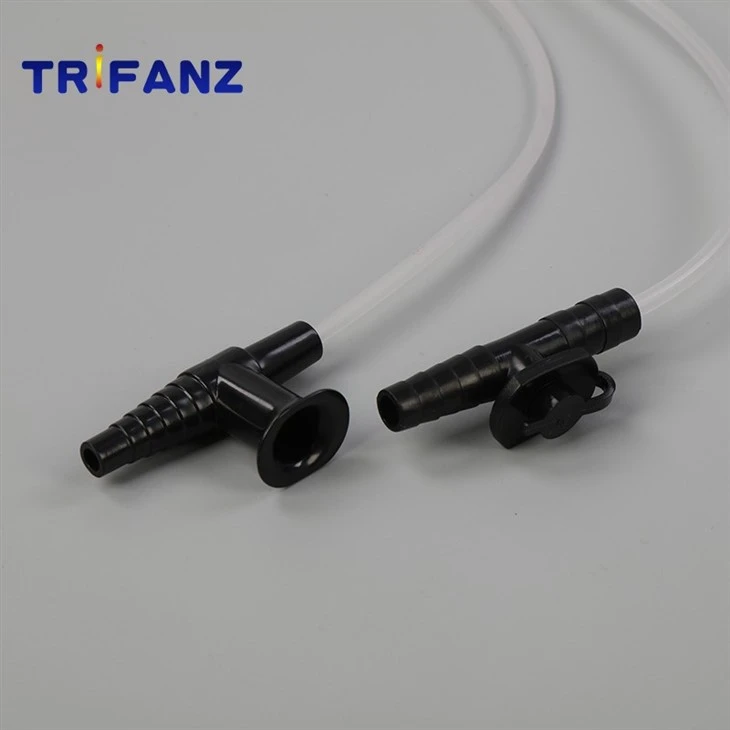
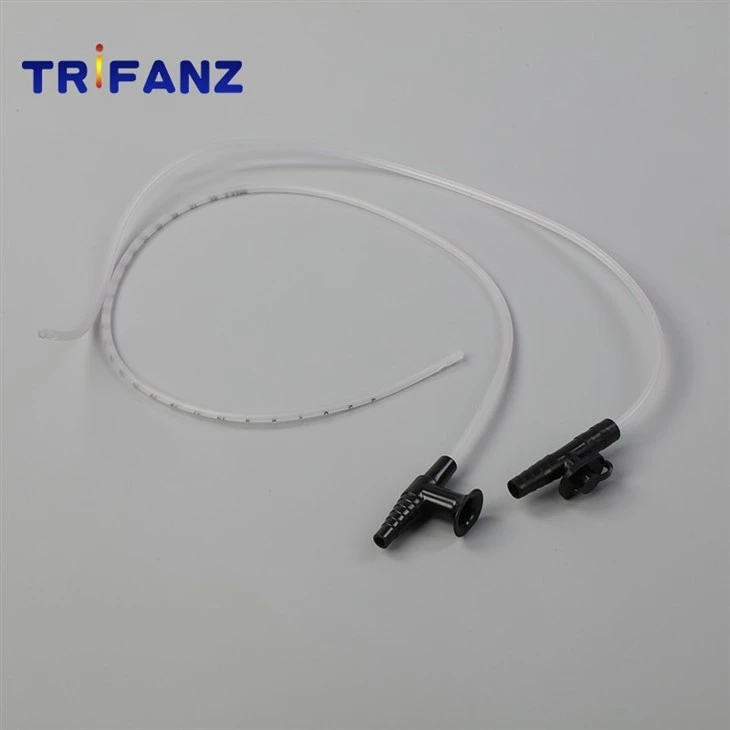
As a leading suction tube supplier, we understand the importance of suction speed in different applications. Our product range includes a variety of Suction Catheter Tube, Oropharyngeal Suction Catheter, and Suction Cannula. We offer tubes in different diameters and lengths to meet the specific needs of our customers. Our products are designed to provide high suction speeds while ensuring safety and reliability.
Contact Us for Procurement
Whether you are a medical institution in need of high - performance suction tubes for patient care or an industrial facility looking to improve your cleaning operations, we are here to help. Our team of experts can assist you in selecting the right suction tube for your application, taking into account factors such as suction speed, substance viscosity, and specific requirements. If you are interested in our products and would like to discuss procurement, please reach out to us. We look forward to partnering with you to meet your suction tube needs.
References
- Smith, J. D. (2018). Medical Suction Devices: Principles and Practice. Medical Publishing House.
- Johnson, A. B. (2020). Industrial Suction Systems: Design and Optimization. Industrial Press.