





Hey there! As a supplier of HEPA filters, I often get asked if a HEPA filter can be used in a basement. Well, let's dive right into it and see what the deal is.
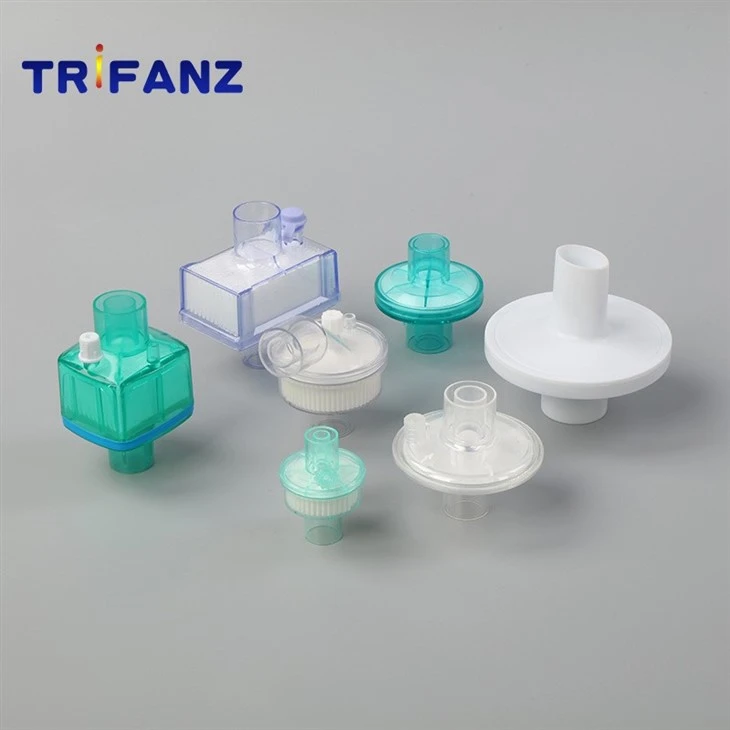
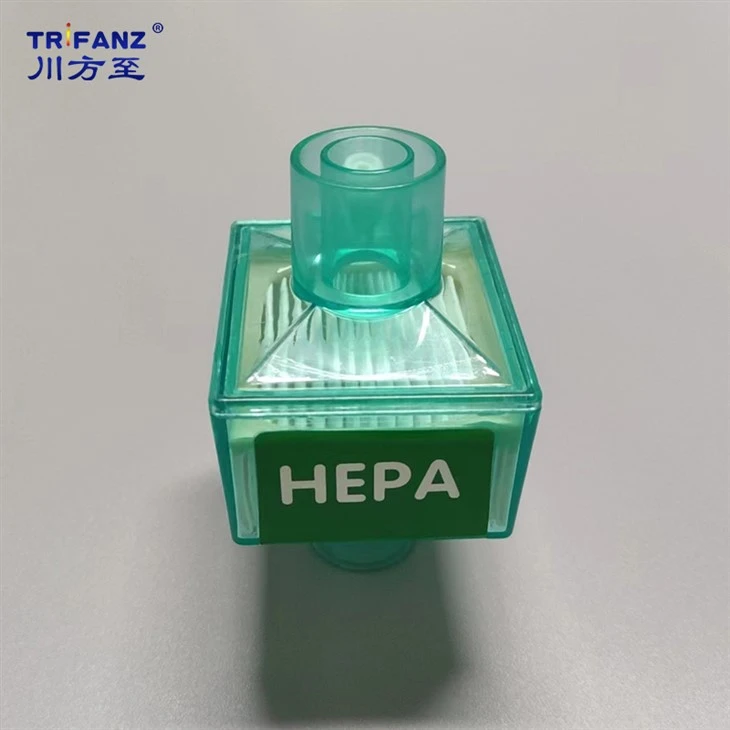
First off, let's talk about what a HEPA filter actually is. A HEPA filter, which stands for High Efficiency Particulate Air, is designed to trap tiny particles in the air. These filters are super effective at capturing things like dust, pollen, mold spores, and even some bacteria and viruses. They're commonly used in air purifiers, vacuum cleaners, and other air - handling systems.
Now, basements can be a bit of a unique environment. They tend to be damp, which can lead to mold growth. And because they're often below ground level, they can accumulate all sorts of pollutants. There might be dust from the soil seeping in, or if there's any water leakage, it can create a breeding ground for mold and mildew.
So, can a HEPA filter work in a basement? The short answer is yes! A HEPA filter can be a great addition to a basement. It can help to remove the dust and mold spores that are floating around in the air. By doing so, it can improve the air quality in the basement, making it a more comfortable and healthier place to be.
One of the main benefits of using a HEPA filter in a basement is that it can reduce allergy and asthma symptoms. If you or someone in your family suffers from allergies or asthma, the dust and mold in the basement can trigger flare - ups. A HEPA filter can trap these allergens, reducing the chances of an allergic reaction.
Another advantage is that it can help with the overall smell in the basement. Basements can sometimes have a musty odor, which is often caused by mold and mildew. By removing the mold spores from the air, the HEPA filter can help to eliminate that unpleasant smell.
However, there are a few things to keep in mind when using a HEPA filter in a basement. First of all, you need to make sure that the filter is the right size for the basement. If the basement is large, you might need a more powerful HEPA filter or multiple filters to effectively clean the air.
Also, because basements are often damp, you need to be careful about the moisture levels. If the filter gets too wet, it can become less effective and might even start to grow mold itself. So, it's a good idea to use a dehumidifier in the basement along with the HEPA filter. This way, you can keep the moisture levels in check and ensure that the filter works properly.
When choosing a HEPA filter for your basement, there are a few factors to consider. You'll want to look at the filter's efficiency rating. A higher efficiency rating means that the filter can capture smaller particles. You'll also want to consider the airflow rate. A filter with a higher airflow rate can clean the air in the basement more quickly.
At our company, we offer a great range of HEPA filters, including the HME Hepa Filter. Our filters are designed to be highly efficient and durable, making them perfect for use in basements. They're easy to install and maintain, so you don't have to worry about any complicated setup.
If you're thinking about using a HEPA filter in your basement, we're here to help. Whether you have questions about which filter is right for you or need advice on installation and maintenance, we've got you covered. We understand that every basement is different, and we can work with you to find the best solution for your specific needs.
So, if you're interested in improving the air quality in your basement, don't hesitate to reach out. We'd love to have a chat with you about your requirements and help you choose the perfect HEPA filter. Contact us today and let's get started on making your basement a healthier and more comfortable place!
References:
- General knowledge about HEPA filters and basement environments from industry research.
- Product information and specifications from our company's internal knowledge base.