



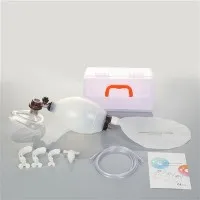


Hey there! As a supplier of spirometry filters, I often get asked about how to check the integrity of these important devices. Spirometry filters play a crucial role in pulmonary function testing, helping to protect both the patient and the spirometer from contamination. So, let's dive into how you can ensure your spirometry filters are in tip - top shape.
Why Checking Integrity Matters
First off, why is it so important to check the integrity of a spirometry filter? Well, a damaged or compromised filter won't do its job effectively. If the filter is torn or has holes, it can't properly trap particles, bacteria, and viruses. This not only puts the patient at risk of inhaling harmful substances but also can lead to inaccurate test results. And in the world of pulmonary function testing, accurate results are key for proper diagnosis and treatment.
Visual Inspection
The first and easiest way to check a spirometry filter is through a simple visual inspection. Just take a good look at the filter. You can hold it up to the light and check for any obvious signs of damage, like tears, holes, or frayed edges. If you see any of these, it's a clear indication that the filter is no good and should be replaced.
For example, if you're using a Pulmonary Function Testing Filter, a quick visual check can save you a lot of trouble. You don't want to use a filter that's been compromised, as it could affect the quality of the test.
Pressure Testing
Another method to check the integrity of a spirometry filter is pressure testing. This involves applying a certain amount of pressure to the filter and seeing how it responds. There are special devices available that can measure the pressure drop across the filter.
When you perform a pressure test, you're essentially checking if the filter is allowing air to flow through it at the right rate. If the pressure drop is too high, it could mean that the filter is clogged. On the other hand, if the pressure drop is too low, there might be a leak in the filter.
Let's say you're using a Spirometer Filter. A proper pressure test can tell you if the filter is working as it should. If the results are outside the normal range, it's time to replace the filter.
Flow Testing
Flow testing is also an important way to check the integrity of a spirometry filter. This test measures the volume of air that can pass through the filter in a given amount of time. A healthy filter should allow a consistent and appropriate amount of air to flow through.
To perform a flow test, you can use a flow meter. You'll need to connect the filter to the flow meter and then measure the airflow. If the airflow is lower than expected, it could indicate that the filter is blocked or damaged.
For instance, if you notice that the airflow through your spirometry filter is significantly reduced, it's a red flag. You don't want to use a filter that restricts the airflow, as it can lead to inaccurate test results.
Microbiological Testing
In some cases, especially in high - risk environments, microbiological testing might be necessary. This involves taking a sample from the filter and testing it for the presence of bacteria, viruses, or other microorganisms.
Microbiological testing can be a bit more complex and time - consuming than the other methods. It usually requires specialized equipment and trained personnel. However, it can provide valuable information about the filter's ability to prevent the spread of pathogens.
If you're in a hospital or a clinical setting where the risk of infection is high, microbiological testing can give you peace of mind. It ensures that the spirometry filter is effectively protecting both the patient and the equipment.


Frequency of Checks
So, how often should you check the integrity of your spirometry filters? Well, it depends on a few factors. If you're using the filters in a high - volume testing environment, you might want to check them more frequently. For example, in a busy pulmonary function testing lab, it's a good idea to check each filter before every use.
On the other hand, if you're using the filters in a less busy setting, you can probably get away with checking them less often. But it's still a good practice to perform regular checks to ensure the filters are in good condition.
Storage and Handling
Proper storage and handling of spirometry filters also play a role in maintaining their integrity. Filters should be stored in a clean, dry place away from direct sunlight and extreme temperatures. Exposure to moisture or heat can damage the filter material and reduce its effectiveness.
When handling the filters, make sure to use clean hands or gloves. Avoid touching the filter surface directly, as this can transfer oils and contaminants. And always follow the manufacturer's instructions for storage and handling.
Conclusion
Checking the integrity of a spirometry filter is essential for accurate pulmonary function testing and patient safety. By using methods like visual inspection, pressure testing, flow testing, and microbiological testing, you can ensure that your filters are working as they should.
If you're in the market for high - quality spirometry filters, we're here to help. We offer a wide range of Pulmonary Function Testing Filter and Spirometer Filter that are designed to meet the highest standards. If you have any questions or are interested in purchasing our products, don't hesitate to reach out. We're happy to discuss your needs and provide you with the best solutions for your pulmonary function testing requirements.
References
- American Thoracic Society. (Year). Guidelines for pulmonary function testing.
- Manufacturer's instructions for spirometry filters.