


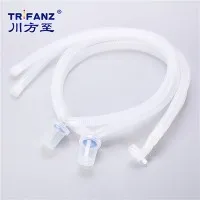
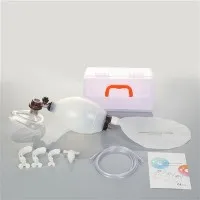


The performance of a suction catheter is crucial in various medical applications, especially in respiratory care. As a suction catheter supplier, we understand the significance of factors that can influence the effectiveness of these devices. In this blog, we will explore the key factors that affect the performance of a suction catheter.
1. Design and Material
The design and material of a suction catheter play a fundamental role in its performance. A well - designed catheter should have a smooth inner surface to minimize resistance to fluid flow. This allows for efficient suction of secretions. For example, catheters with a tapered tip can more easily navigate through the airways, reaching the target area for suctioning.
The material of the catheter is also vital. Medical - grade materials such as silicone or PVC are commonly used. Silicone is known for its flexibility, biocompatibility, and resistance to kinking. It can conform to the shape of the airways without causing excessive trauma to the delicate tissues. On the other hand, PVC is more rigid and may be suitable for certain applications where a stiffer catheter is required.
2. Size and Diameter
The size and diameter of the suction catheter are critical factors. A catheter that is too large may cause airway obstruction or damage to the airway walls. Conversely, a catheter that is too small may not be able to effectively suction thick secretions. The appropriate size is usually determined based on the patient's age, airway size, and the nature of the secretions.
For adult patients, larger - diameter catheters may be used, while pediatric patients require smaller - sized catheters. It is important to select the correct size to ensure optimal performance. Our company offers a wide range of suction catheters with different sizes and diameters to meet the diverse needs of patients.
3. Suction Pressure
Suction pressure is a key determinant of the catheter's performance. The appropriate suction pressure depends on the type of secretions and the patient's condition. Too high a suction pressure can cause trauma to the airway mucosa, leading to bleeding and tissue damage. On the other hand, insufficient suction pressure may not be able to remove the secretions effectively.
In general, for thin secretions, a lower suction pressure may be sufficient. However, for thick and tenacious secretions, a higher suction pressure may be required. It is important to adjust the suction pressure according to the patient's specific situation. Our suction catheters are designed to work effectively within a certain range of suction pressures, and we provide guidelines to help healthcare providers set the appropriate pressure.
4. Compatibility with Suction Equipment
The suction catheter must be compatible with the suction equipment used. Different suction machines may have different flow rates and pressure settings. A catheter that is not compatible with the suction equipment may not function properly.
For example, if the catheter has a high - resistance design and is used with a low - flow suction machine, the suction performance may be significantly reduced. Our suction catheters are designed to be compatible with a wide range of suction equipment, ensuring seamless integration and optimal performance.
5. Maintenance and Sterility
Proper maintenance and sterility of the suction catheter are essential for its performance and patient safety. A dirty or contaminated catheter can introduce bacteria into the patient's airway, leading to infections.
Regular cleaning and disinfection of the catheter are necessary. Some catheters are designed for single - use only, while others can be reused after proper cleaning and sterilization. Our company provides clear instructions on how to maintain and sterilize our suction catheters to ensure their continued performance and safety.
6. Clinical Use and Operator Skill
The way the suction catheter is used in a clinical setting also affects its performance. Healthcare providers need to be properly trained in the correct technique of using the catheter. Improper insertion, excessive force, or incorrect positioning of the catheter can lead to poor suction performance and potential harm to the patient.
For example, if the catheter is not inserted to the appropriate depth, it may not reach the secretions. Additionally, skilled operators are better able to adjust the suction pressure and handle the catheter during the suctioning process. We offer training materials and support to help healthcare providers improve their skills in using our suction catheters.
7. Type of Suction Catheter
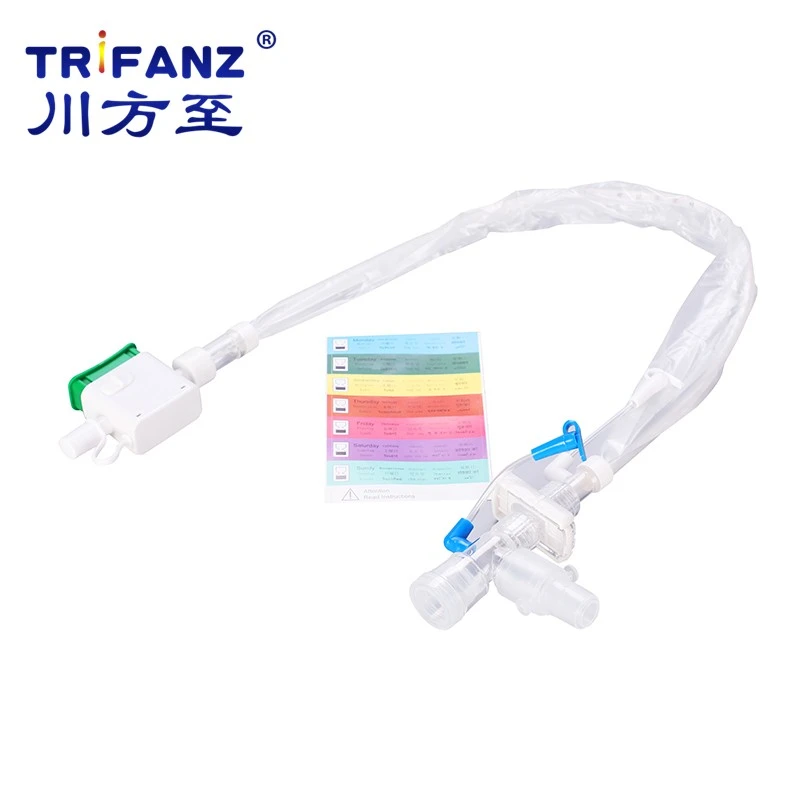
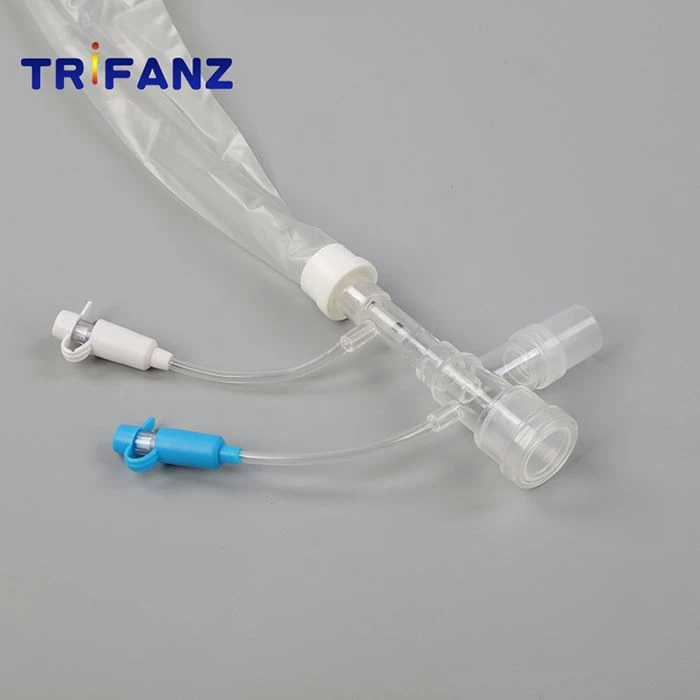
There are different types of suction catheters available, such as open and closed suction catheters. Closed suction catheters, like the Closed Suction Tube, Closed Suction Catheter For Tracheostomy, and Closed Trach Suctioning, have several advantages.
Closed suction catheters can be used without disconnecting the patient from the ventilator, reducing the risk of oxygen desaturation and contamination. They are especially useful in patients who require continuous mechanical ventilation. Open suction catheters, on the other hand, are more suitable for occasional suctioning in non - ventilated patients.
8. Environmental Factors
Environmental factors can also impact the performance of a suction catheter. For example, in a high - humidity environment, the secretions may be more viscous, making it more difficult to suction. Temperature can also affect the flexibility of the catheter material.
In cold environments, some catheter materials may become stiffer, which can affect their ability to navigate through the airways. Our suction catheters are designed to perform well under a wide range of environmental conditions, but it is important for healthcare providers to be aware of these factors and make appropriate adjustments.
In conclusion, the performance of a suction catheter is influenced by multiple factors, including design, material, size, suction pressure, compatibility with equipment, maintenance, operator skill, type of catheter, and environmental factors. As a suction catheter supplier, we are committed to providing high - quality products that take these factors into account. Our goal is to ensure that healthcare providers have access to reliable and effective suction catheters to improve patient care.
If you are interested in our suction catheters or have any questions about their performance and applications, please feel free to contact us for further information and to discuss your procurement needs. We look forward to working with you to meet your medical device requirements.
References
- American Association for Respiratory Care. Clinical practice guidelines for suctioning of the airway in mechanically ventilated patients with artificial airways. Respir Care. 2010;55(6):758 - 764.
- Kacmarek RM, Stoller JK, Heuer AJ, eds. Egan's Fundamentals of Respiratory Care. 11th ed. St. Louis, MO: Elsevier; 2017.
- Rello J, Lisboa T, Quintana E, et al. Effect of closed - versus open - system suctioning on ventilator - associated pneumonia in adult patients: a randomized controlled trial. Chest. 2004;125(6):2219 - 2225.