



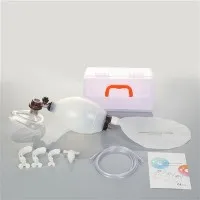


Ventilator circuits play a crucial role in the field of respiratory support, ensuring the safe and effective delivery of gases to patients. One of the key functions of a ventilator circuit is to prevent the backflow of gases, which is essential for maintaining proper ventilation and reducing the risk of complications. As a leading ventilator circuit supplier, we understand the importance of this mechanism and are committed to providing high - quality products that meet the highest standards of safety and performance.
Understanding the Basics of a Ventilator Circuit
A ventilator circuit is a system of tubes and components that connects a ventilator to a patient. It typically consists of an inspiratory limb, an expiratory limb, a humidifier, and various connectors and valves. The main purpose of the circuit is to deliver a controlled flow of oxygen and other gases to the patient's lungs during inhalation and to remove carbon dioxide during exhalation.
The risk of gas backflow in a ventilator circuit can lead to several problems. For example, it can cause the re - inhalation of expired gases, which may contain high levels of carbon dioxide. This can result in hypercapnia, a condition where there is an abnormally high level of carbon dioxide in the blood, leading to symptoms such as headache, confusion, and shortness of breath. Additionally, backflow can also introduce contaminants or pathogens from the expiratory limb back into the inspiratory limb, increasing the risk of respiratory infections.
Mechanisms to Prevent Backflow
One - Way Valves
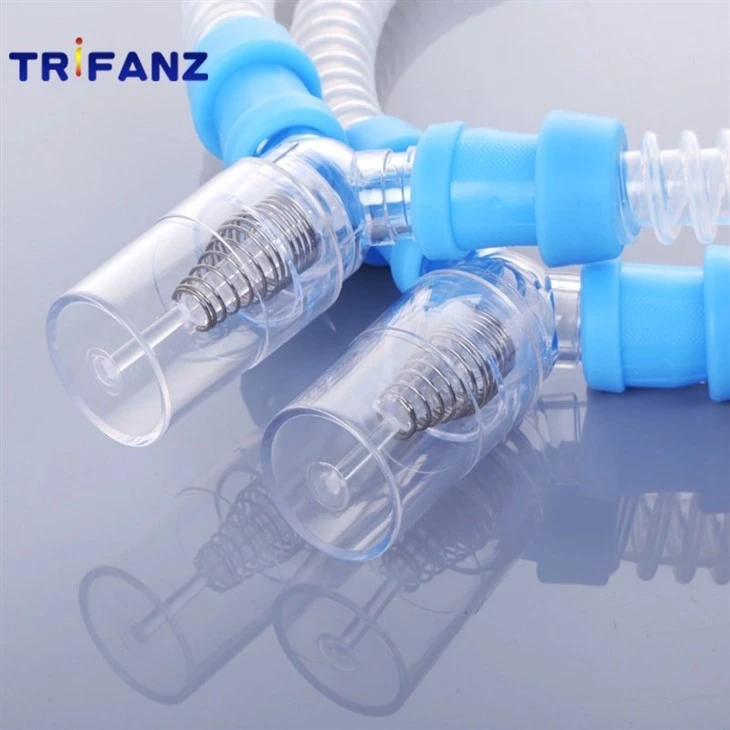
One of the most common and effective ways to prevent backflow in a ventilator circuit is through the use of one - way valves. These valves are designed to allow the flow of gases in only one direction. In the inspiratory limb, a one - way valve ensures that the gas from the ventilator can flow towards the patient but cannot flow back towards the ventilator. Similarly, in the expiratory limb, a one - way valve allows the expired gases to exit the circuit and prevents them from flowing back into the patient's lungs.
There are different types of one - way valves used in ventilator circuits. For example, duckbill valves are commonly used. They are made of a flexible material that opens when there is positive pressure in the appropriate direction and closes when the pressure reverses. This simple yet effective design ensures that the gas flow is unidirectional.
Positive End - Expiratory Pressure (PEEP)
Positive end - expiratory pressure is another important mechanism for preventing backflow. PEEP is a technique where a small amount of positive pressure is maintained in the airways at the end of expiration. This positive pressure helps to keep the airways open and prevents the collapse of alveoli (the tiny air sacs in the lungs).
In the context of preventing backflow, PEEP creates a pressure gradient that discourages the backflow of gases. By maintaining a positive pressure in the airways, it makes it more difficult for the expired gases to flow back into the inspiratory limb. PEEP can be adjusted according to the patient's needs, and it is often used in conjunction with other ventilation strategies to optimize gas exchange and prevent complications.
Design of the Circuit Tubing
The design of the ventilator circuit tubing also plays a role in preventing backflow. Corrugated Ventilator Tubing is commonly used in ventilator circuits. The corrugated design helps to reduce the resistance to gas flow and also provides some flexibility.
The smooth inner surface of the tubing minimizes the adherence of moisture and contaminants, which can otherwise impede the flow of gases and potentially cause backflow. Additionally, the proper sizing of the tubing is important. If the tubing is too narrow, it can increase the resistance to gas flow, while if it is too wide, it may not provide enough support for maintaining the pressure gradient.
Types of Ventilator Circuits and Their Backflow Prevention Features
Pediatric Ventilator Circuit
Pediatric Ventilator Circuit is specifically designed for use in pediatric patients. These circuits are smaller in size to accommodate the smaller airways of children. They often have more sensitive one - way valves and are designed to provide a more precise control of gas flow.
The materials used in pediatric ventilator circuits are also carefully selected to be safe and non - irritating for the delicate respiratory systems of children. The one - way valves in these circuits are designed to operate at lower pressures, which is appropriate for the smaller tidal volumes and lower airway pressures in pediatric patients.
Reusable Ventilator Circuit
Reusable Ventilator Circuit offers a cost - effective option for healthcare facilities. These circuits are made of durable materials that can be cleaned and sterilized for multiple uses.
The backflow prevention mechanisms in reusable ventilator circuits are similar to those in disposable circuits. However, the design may be more robust to withstand the repeated cleaning and sterilization processes. For example, the one - way valves in reusable circuits are often made of high - quality materials that can maintain their functionality over multiple uses.
Quality Assurance and Maintenance
As a ventilator circuit supplier, we place a high emphasis on quality assurance. Our products are designed and manufactured to meet strict quality standards. We conduct rigorous testing on our ventilator circuits to ensure that the backflow prevention mechanisms are working effectively.
Regular maintenance of the ventilator circuit is also essential. Healthcare providers should follow the manufacturer's guidelines for cleaning, disinfection, and replacement of components. For example, the one - way valves should be inspected regularly for any signs of damage or malfunction. If a valve is not functioning properly, it should be replaced immediately to prevent backflow.

Conclusion
Preventing the backflow of gases in a ventilator circuit is a critical aspect of respiratory support. Through the use of one - way valves, positive end - expiratory pressure, and well - designed circuit tubing, we can effectively minimize the risk of backflow and ensure the safe and efficient delivery of gases to patients.
As a trusted ventilator circuit supplier, we are dedicated to providing products that meet the highest standards of quality and performance. Our Pediatric Ventilator Circuit, Reusable Ventilator Circuit, and Corrugated Ventilator Tubing are designed with the latest technologies to ensure optimal backflow prevention.
If you are interested in learning more about our ventilator circuits or would like to discuss your procurement needs, we encourage you to reach out to us. Our team of experts is ready to assist you in finding the right solution for your healthcare facility.
References
- Tobin, M. J. (2006). Principles and Practice of Mechanical Ventilation. McGraw - Hill.
- Kacmarek, R. M., Stoller, J. K., & Heuer, A. J. (2017). Egan's Fundamentals of Respiratory Care. Elsevier.