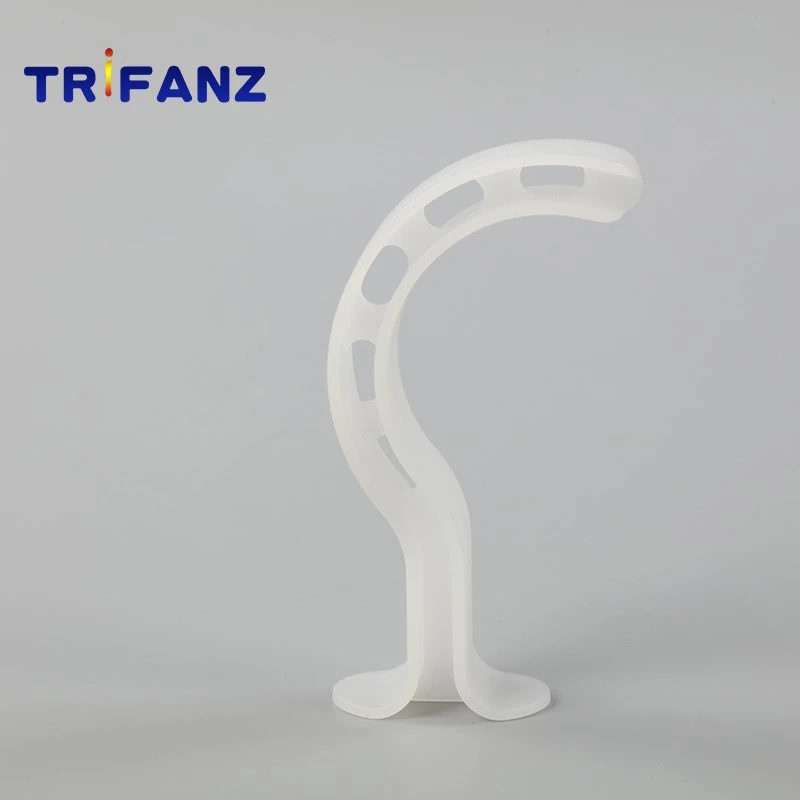
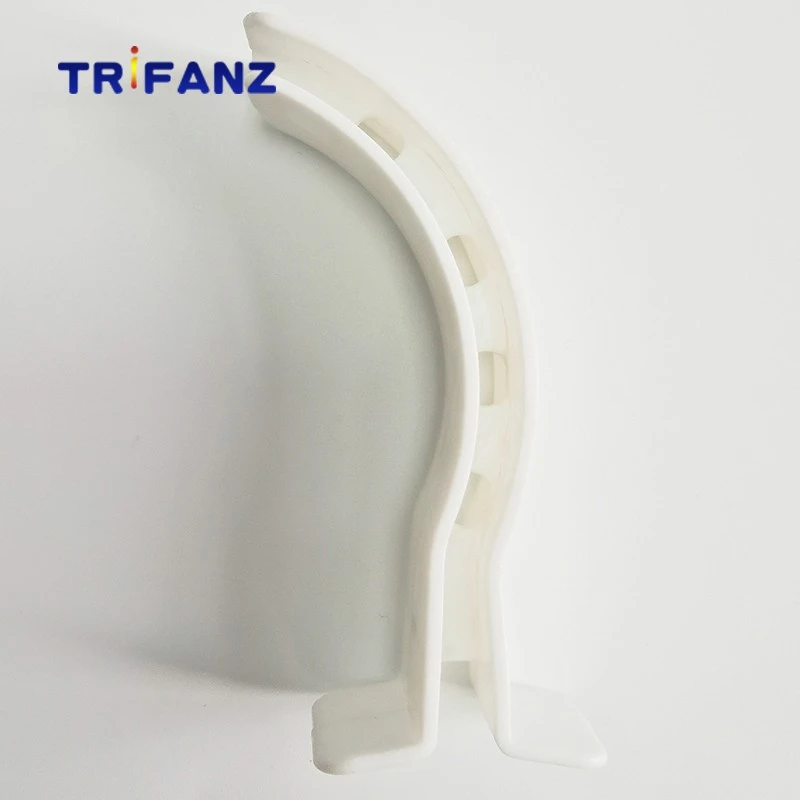
An oropharyngeal airway is a medical device called an airway adjunct used to maintain or open a patient's airway. It does this by preventing the tongue from covering the epiglottis, which could prevent the person from breathing. When a person becomes unconscious, the muscles in their jaw relax and allow the tongue to obstruct the airway.
Berman oral airway
- Constructed from premium-quality polyethylene for optimal reliability
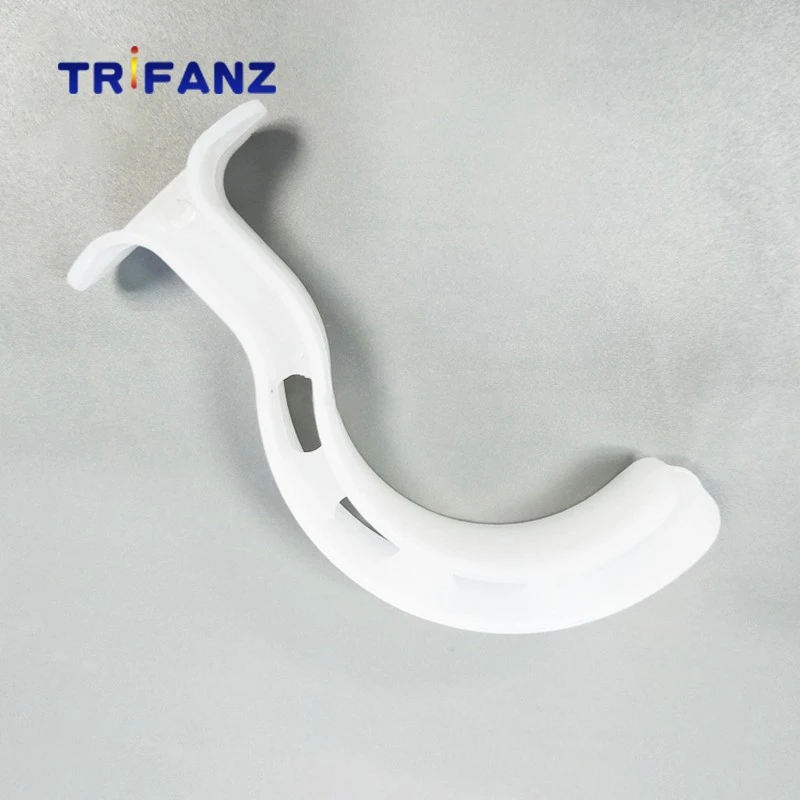
- Slotted sides allow for smooth catheter insertion without obstructing air passageway
- Midway openings help maintain passageway even during airway shifts or partial occlusions
- Smooth, non-brittle finish allows for improved flexibility and durability
- Anatomically curved design helps provide improved comfort and easy insertion
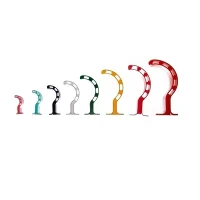
- Color-coded for easy size identification
- Individually packaged
- Not made with natural rubber latex or DEHP
|
Type |
REF NO. |
SIZE |
|
Berman Oral Airway |
98.13.037 |
40mm/000# |
|
98.13.041 |
50mm/00# |
|
|
98.13.045 |
60mm/0# |
|
|
98.13.049 |
70mm/1# |
|
|
98.13.051 |
80mm/2# |
|
|
98.13.053 |
90mm/3# |
|
|
98.13.055 |
100mm/4# |
|
|
98.13.057 |
110mm/5# |
|
|
98.13.059 |
120mm/6# |
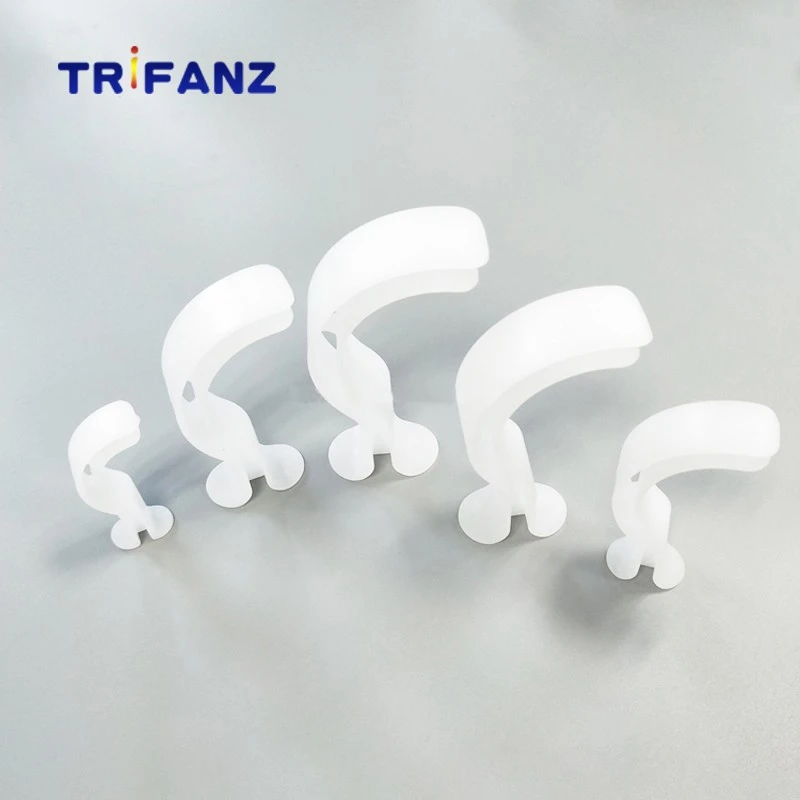
Standard Berman oral airway

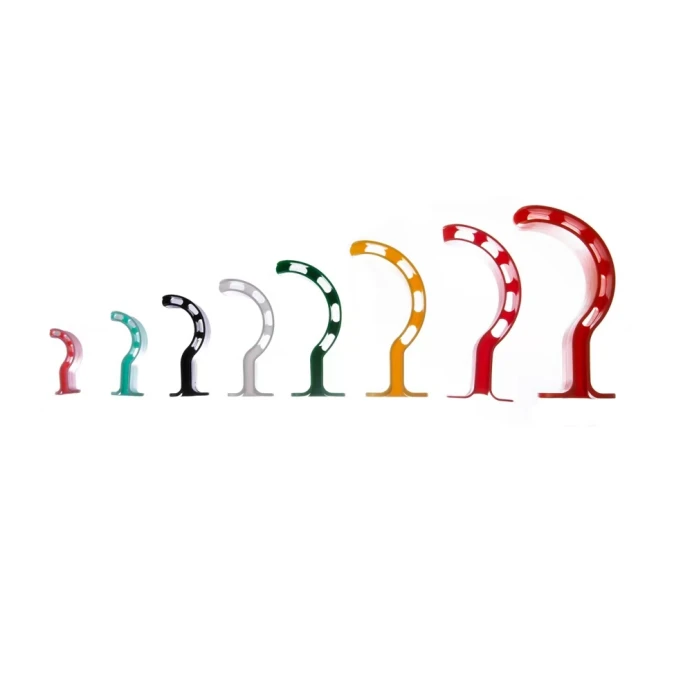
Customized color-coded Berman oral airway
Packaging
individual paper plastic pouch, sterile
300pcs/carton, 52*48*35cm
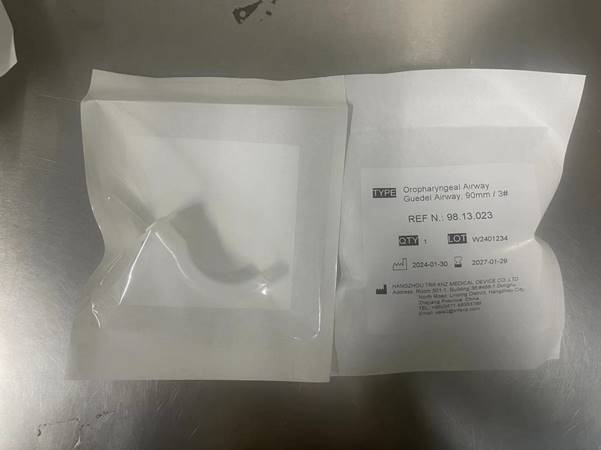
How to insert an oropharyngeal airway
- As necessary, clear the oropharynx of obstructing secretions, vomitus, or foreign material.
- Determine the appropriate size of the oropharyngeal airway. Hold the airway beside the patient's cheek with the flange at the corner of the mouth. The tip of an appropriately sized airway should just reach the angle of the mandibular ramus.
- Next, begin inserting the airway into the mouth with the tip pointed to the roof of the mouth (ie, concave up).
- To avoid cutting the lips, be careful not to pinch the lips between the teeth and the airway as you insert the airway.
- Rotate the airway 180 degrees as you advance it into the posterior oropharynx. This technique prevents the airway from pushing the tongue backward during insertion and further obstructing the airway.
- When fully inserted, the flange of the device should rest at the patient's lips.
- Alternatively, use a tongue blade to depress the tongue as you insert the airway with the tip pointed to the floor of the mouth (ie, concave down). Use of the tongue blade prevents the airway from pushing the tongue backward during insertion.
Hot Tags: berman oral airway, China berman oral airway manufacturers, suppliers, factory