
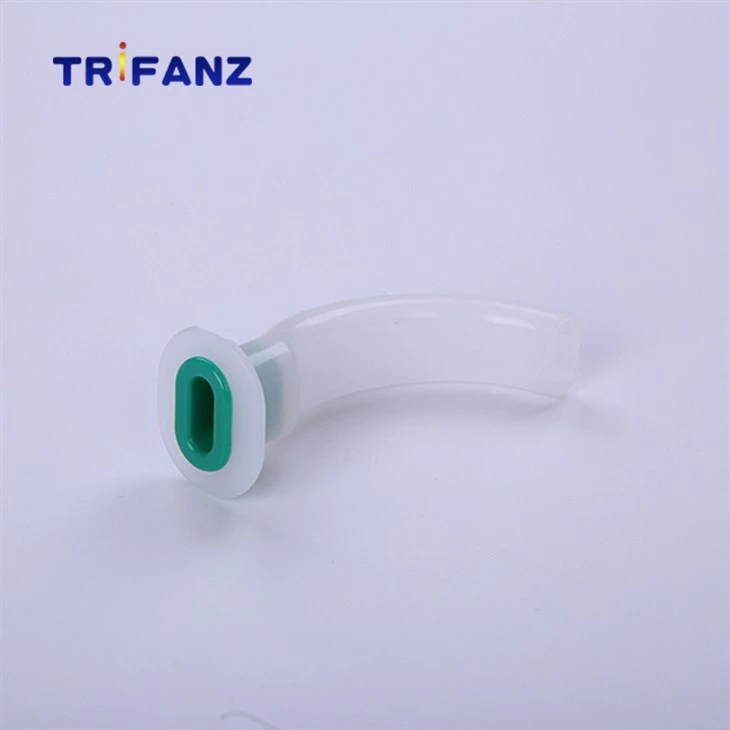
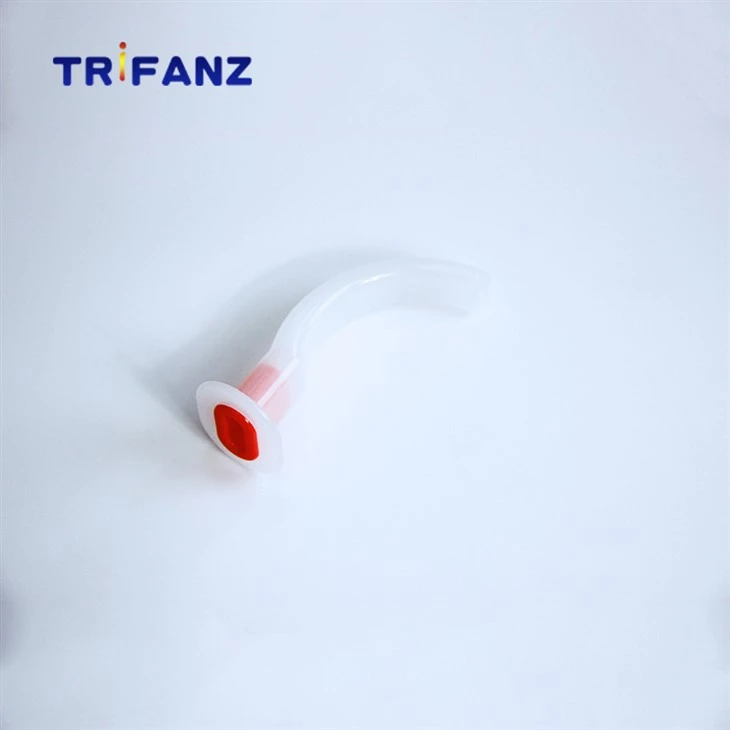
Use of Inserting Oropharyngeal Airway
1.Maintaining upper airway patency: For anesthetized or comatose patients, the tongue and epiglottis can fall backwards into the posterior pharyngeal wall due to the relaxation of the floor of the mouth and pharyngeal muscles that support the tongue to maintain upper airway patency, leading to upper airway obstruction. When the oropharyngeal airway is correctly inserted, its front end can lift the tongue and epiglottis from the posterior pharyngeal wall, thereby achieving the purpose of preventing or treating upper airway obstruction. Compared with other methods of maintaining upper airway patency (such as chin lift, jaw support and endotracheal intubation), inserting an oropharyngeal airway does not affect the stability of the patient's cervical spine.
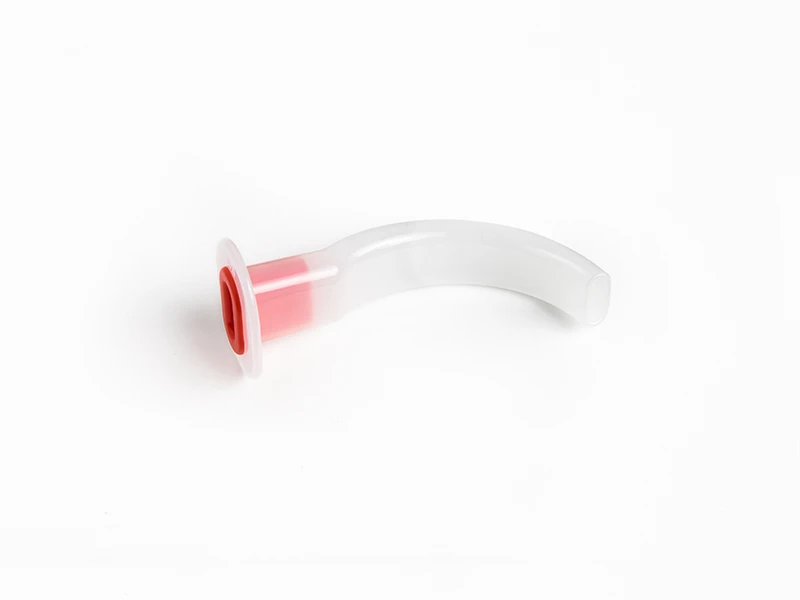
It is conducive to suctioning sputum: patients with pseudobulbar palsy, dysphagia, and inability to cough, patients who are bedridden for a long time and have lung infection and do not need intubation and tracheotomy, repeated stimulation of suctioning sputum through the nasal cavity can easily damage the nasal mucosa, and patients who suction sputum through the oral cavity are prone to bite the suction tube and resist and refuse to cooperate. After the oropharyngeal airway is placed, the suction operation is simple, and the insertion depth through the oral cavity is only about 5 to 6 cm deeper than that through the nasal cavity, which has a stronger effect on stimulating the cough reaction, so it is easy to cough up the sputum deep in the airway to the upper respiratory tract and facilitate suction.
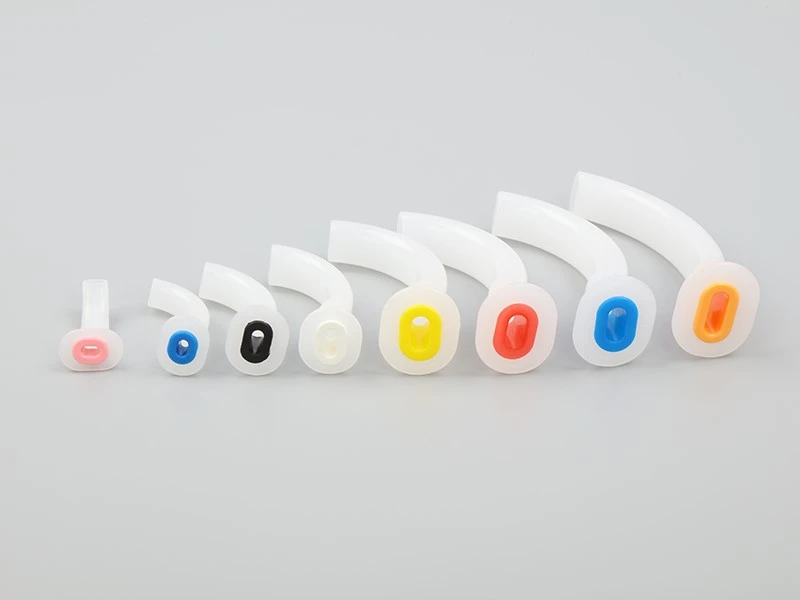
3.Used as a dental pad: In addition to maintaining a patency of the airway, the oropharyngeal airway can also be used as a dental pad to prevent the patient from biting the endotracheal tube inserted in the mouth. During an epileptic seizure, the oropharyngeal airway can not only maintain a patency of the patient's airway, but also prevent the patient from biting the tongue.
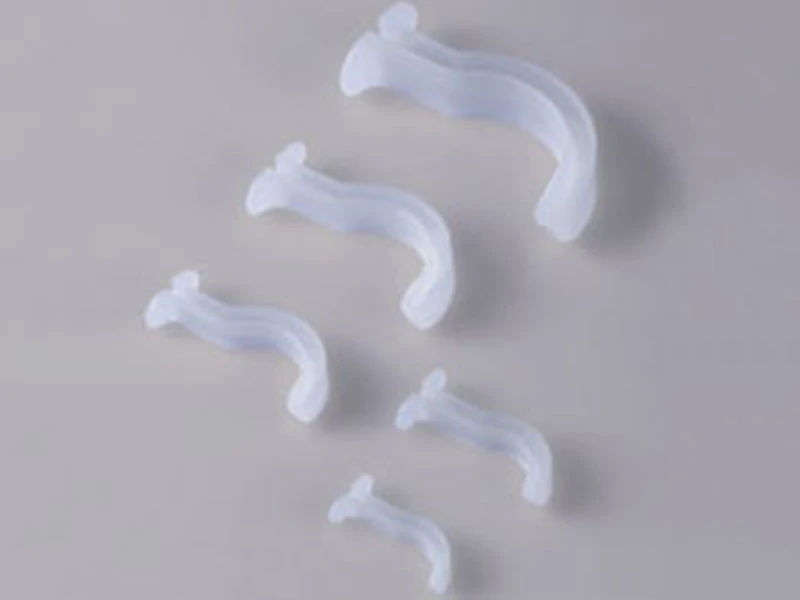
4.Other uses: Assisting with oropharyngeal suction; in mask ventilation for some patients, the use of an oropharyngeal airway helps achieve a mask seal, such as edentulous patients; assisting with the insertion of oropharyngeal and intragastric tubes.
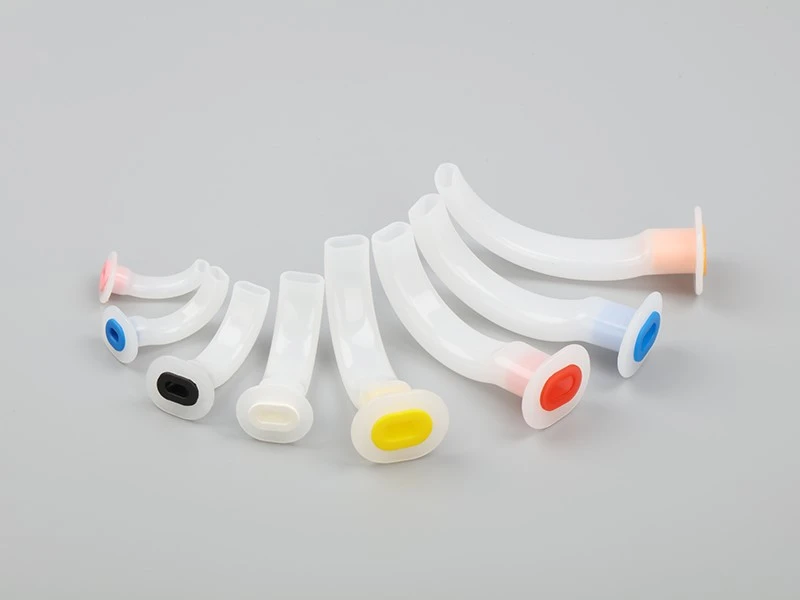
Advantage
1.Our R&D team: a group of experts of over 20 years' experience.
2.Prompt delivery
FAQ
Q1:Where is your factory located?
A1:Our factory address is : Floor 5,Building 36,No 488-1 Donghu North Road, Donghu Sub-district, LinPing District, Hangzhou City, Zhejiang Province, China, 311100
Q2: Can customized services be provided?
A2: Yes. both OEM and ODM are available.
Hot Tags: inserting oropharyngeal airway, China inserting oropharyngeal airway manufacturers, suppliers, factory